
“As an individual you want to forget about the bad things in the past, but as a society you can’t do that.”
—Peter Piot (quoted in Pilling 2026)
I. Introduction
Ebola was first identified in 1976, during an outbreak in Yambuku, in what was then Zaire, now the Democratic Republic of Congo (DRC). The Congolese virologist Jean-Jacques Muyembe collected the first samples, and a laboratory team at the Institute of Tropical Medicine in Antwerp helped identify the virus. One of its members was Peter Piot, then a 27-year-old Belgian microbiologist, who went on to become the founding Executive Director of UNAIDS and Director of the London School of Hygiene & Tropical Medicine (Piot 2012; Pilling 2026; Mandavilli 2026).
Fifty years later, Muyembe, now 84, is fighting the 17th Ebola outbreak in the DRC, the second largest on record. As of October 23, 2026, the U.S. Centers for Disease Control and Prevention (CDC) reported 9,847 confirmed cases and 4,761 confirmed deaths, nearly all of them in the DRC (CDC 2026). The outbreak is caused by Bundibugyo virus, a rare Ebola species for which no vaccine or treatment has been approved.
In early 2014, while stationed in Accra, Ghana, I learned firsthand about the reality of a fast-spreading Ebola epidemic in neighboring West African countries. I later co-led the World Bank Group’s regional response program in West Africa, which began in September 2014 with a US$105 million emergency grant to pay and protect health workers, equip treatment centers, and feed quarantined families (World Bank 2014a, 2014b). Two months later, US$285 million in additional financing expanded case detection, laboratory testing, safe burials, and support for affected communities (Reliefweb 2014). By early 2016, the World Bank Group’s multisectoral support had grown to US$1.62 billion for Ebola response and recovery in Guinea, Liberia, and Sierra Leone (World Bank 2016). My role included a deployment of a few months to the World Health Organization (WHO) headquarters in Geneva to help coordinate the work of the two institutions. That experience taught me how viruses lurking in wildlife cross over to people through close contact, and how that contact is made easier today by the rapid spread of human settlements, aggressive mineral extraction, environmental degradation, the globalization of trade and services, the movement of people across borders, and poor, inadequate, and dysfunctional health systems in many countries (Marquez 2014). Twelve years later, Ebola has returned to Central Africa, this time in the DRC, where all of these forces are at work.
Piot has described a cycle that anyone who has worked in global health will recognize. An outbreak triggers alarm, money flows, and attention fades until the next spillover (Sydney Morning Herald 2026). After COVID-19, he fears, “in terms of societal preparedness, we may be worse off” (Pilling 2026).
I have written about this cycle before. Drawing on more than three decades at the World Bank Group, including my return to support the global COVID-19 response in early 2020, I have argued that countries consistently underprepare for epidemics (Marquez 2021), that preventing pandemics starts where humans, wildlife, and viruses meet (Marquez 2022a), and that the lessons of COVID-19 are being forgotten (Marquez 2025). In September 2026, I noted that the Ebola outbreak was already testing the commitments made ahead of the UN High-Level Meeting on Pandemic Prevention, Preparedness and Response, held on September 25, 2026 (Marquez 2026).
In this post, I focus on the Ebola outbreak in the DRC, draw on recent analyses from a range of sources to examine why a well-known threat outran the response, and look at what the Pandemic Fund has done in the DRC and how well it has worked. I close with lessons for breaking the cycle.
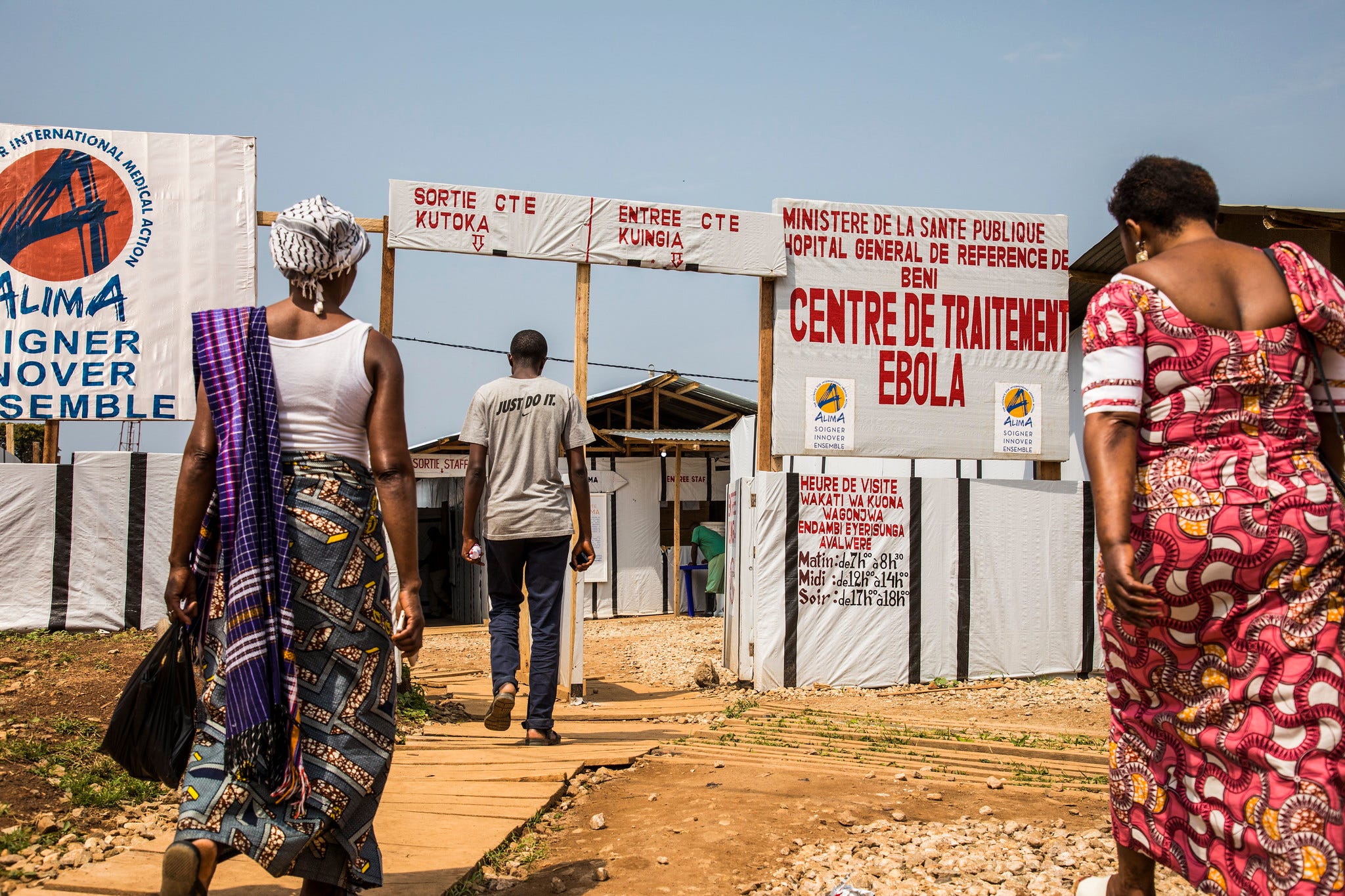
Source: Photo by Vincent Tremeau / World Bank, Beni, DRC, 2019 (CC BY-NC-ND 2.0)
II. An Outbreak Moving at Unprecedented Speed
The current outbreak in the DRC is moving faster than any Ebola outbreak before it. It passed 1,000 confirmed cases within 40 days of the response starting, compared with about 235 days in the DRC’s 2018 outbreak, and has reached eight provinces: Bas-Uele, Haut-Uele, Ituri, North Kivu, South Kivu, South Ubangi, North Ubangi, and Tshopo (McCabe, et al. 2026; CDC 2026).
The virus had a head start of about six weeks. WHO modelling places the first case around April 1, 2026, well before the outbreak was declared on May 15, 2026 (Chamla et al. 2026), and early estimates pointed to substantial undetected spread (McCabe et al. 2026). The World Health Organization (WHO) Director-General has linked the outbreak’s speed to insecurity, displacement, and intense population movement along roads, rivers, and mining routes, and warned that deaths at home, outside known contact lists, point to chains of transmission not yet found (WHO 2026a). By early October 2026, transmission was slowing in some areas, but most deaths still occurred in the community and contact tracing remained short of what is needed (WHO 2026b).
Spread beyond the DRC has so far been contained. Uganda reported 21 confirmed and probable cases and 3 deaths, and declared its outbreak over on July 28, 2026. Kenya’s nine cases all trace back to one traveler from the DRC, and single imported cases have been confirmed in France and Nigeria (CDC 2026; WHO AFRO 2026). WHO advises against blanket travel bans, arguing that countries that report transparently “should be rewarded, not punished” (WHO 2026b).
The obstacles are common in fragile settings. CDC cites weak health infrastructure and laboratories, armed conflict, violence against health workers, shortages of protective equipment, constant cross-border movement, and deep mistrust of government (CDC 2026). Even a public health official of the M23 rebel movement told the Financial Times that alert systems in Ituri “were broken”: families dying together in one small area should have raised the alarm, with or without diagnostic kits (Pilling 2026).
Health workers have paid the highest price. By August 20, 2026, 158 health workers had been infected and 45 had died, which Belizaire and colleagues attribute to the failure to sustain infection prevention and control between epidemics (Belizaire et al. 2026). Despite roughly US$3 billion pledged, health workers in affected areas had gone unpaid for three months (Sydney Morning Herald 2026).
III. A Test of a Weakened Global Health System
Ebola is unlikely to cause the next pandemic, but it is testing the systems the next pandemic will need. The virus kills too quickly to spread silently around the world. Yet, as David Pilling writes in the Financial Times, the outbreak is “a dress rehearsal for what might come next” at a time when global health funding is shrinking and trust in science is wavering. Thomas Bollyky of the Council on Foreign Relations told him that the outbreak “exists on the faultlines of the new global health system” (Pilling 2026).
The funding cuts are real. The United States withdrew from WHO this year, leaving a gap Bollyky puts at US$553 million; WHO is cutting nearly a quarter of its staff; several European governments have reduced aid; and the U.S. administration has cancelled nearly US$500 million in federal funding for mRNA vaccines. The DRC itself spends less than US$25 per person a year on health (Pilling 2026).
The data confirm that the cuts are broad and deepening. New preliminary estimates from the Institute for Health Metrics and Evaluation (IHME) show that development assistance for health fell a further 5 percent in 2026, after a 12 percent cut in 2025 that left funding at its lowest level since 2012 (Micah et al. 2026). The United Kingdom made the largest cut (37 percent, or US$891 million), followed by the United States (US$668 million), while disbursements by United Nations (UN) agencies and Gavi, the Vaccine Alliance, fell by 18 and 15 percent. Only a few sources grew, among them Japan, the Gates Foundation, and the multilateral development banks.
Low-income countries have been hit hardest: their governments raised health spending per person by 8 percent a year between 2024 and 2026, yet total health spending per person still fell by 3 percent a year once lost donor funding is counted (Apeagyei et al. 2026). African leaders have responded with the Accra Reset, led by Ghana’s President John Dramani Mahama, which calls for country-led health systems and local manufacturing of medicines. Without new domestic revenue, however, the likely result is fewer services and higher out-of-pocket payments, which makes the case for adopting new sources of domestic resources, such as pro-health taxes on tobacco, alcohol, and sugary drinks, and the elimination of wasteful subsidies, stronger than ever.
For Stephanie Psaki, the first U.S. Coordinator for Global Health Security, the outbreak is “a stunning indictment of the state of global health security.” “The epidemic should have been containable,” she writes in Foreign Affairs; “few threats are as familiar to health officials and institutions as this one” (Psaki 2026). The DRC had already faced 16 Ebola outbreaks since 1976. The problem is not a lack of knowledge, but a failure to sustain what we know works.
WHO itself is at its weakest point in decades. Richard Horton, editor of The Lancet, compares its situation to 1998, with the agency’s leadership absorbed by downsizing after the U.S. withdrawal. He recalls that WHO’s last renewal, under Gro Harlem Brundtland, delivered the Framework Convention on Tobacco Control (FCTC), and he remains optimistic about WHO’s future: “There is no other choice” (Horton 2026).
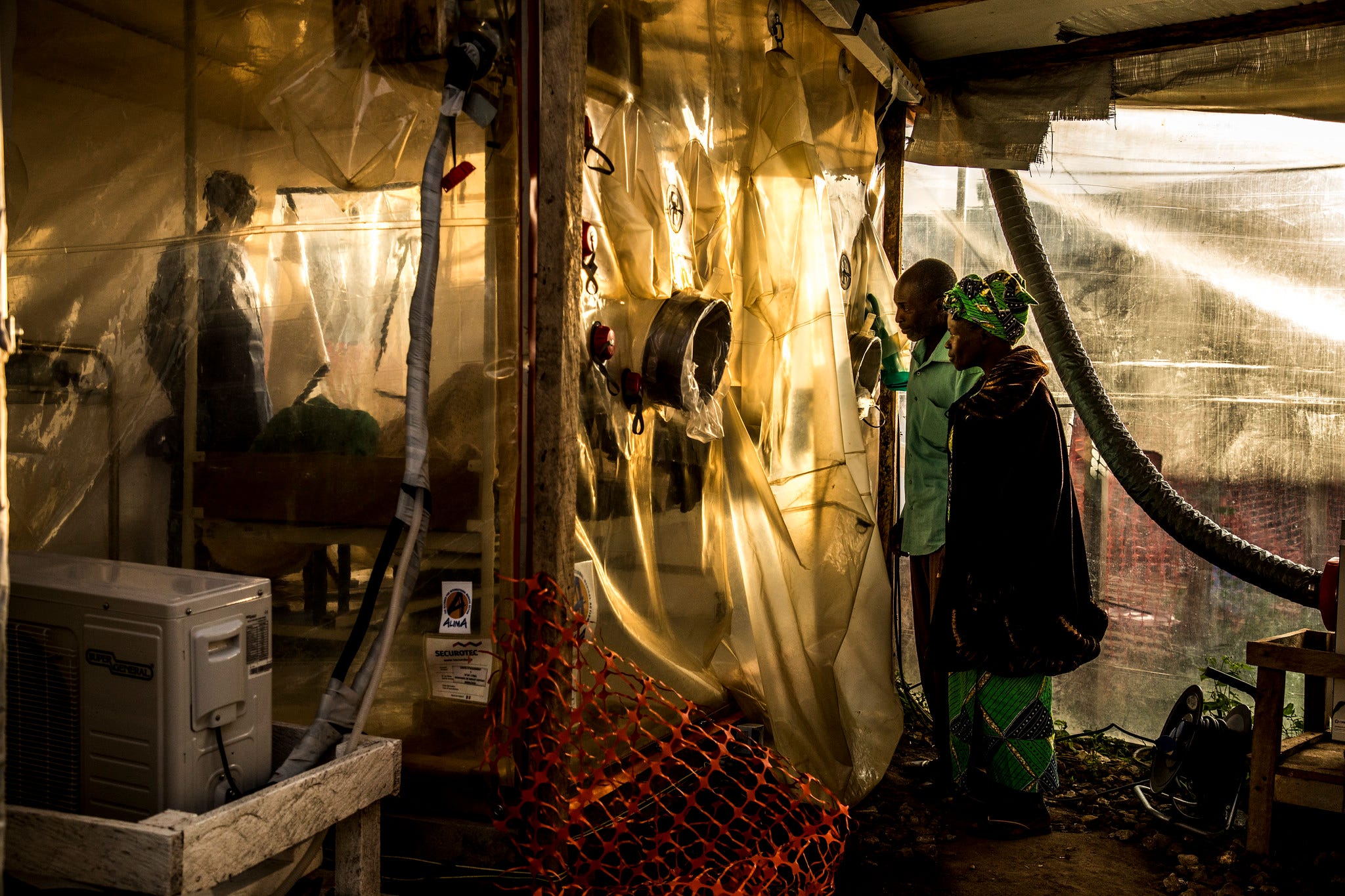
Source: Photo by Vincent Tremeau / World Bank, Beni, DRC, 2019 (CC BY-NC-ND 2.0)
IV. One Health, Promised but Not Delivered
Every Ebola outbreak begins with a spillover from animals that no one saw. Bats are thought to be the main reservoir of ebolaviruses, which reach people directly or through bushmeat. Ituri is also the center of a gold rush that draws young men into bat-infested mine shafts, in a region of armed groups and displaced people on the move (Pilling 2026). These are the same forces I saw at work in West Africa in 2014.
The outbreak was predictable. Kuchipudi and colleagues note in The Lancet that a 2025 risk model based on forest loss, population movement, and climate data had flagged Ituri as high risk, and that artisanal gold mining is clearing forest for kilometres around each site, pushing displaced communities into contact with wildlife. The first case was found in the mining town of Mongbwalu. Yet when it was confirmed, three weeks after symptoms began, there was no wildlife health monitoring, no community-based alert system, and no protocol for investigating a spillover (Kuchipudi et al. 2026).
The gap is long-standing. A 2021 assessment found One Health work across sub-Saharan Africa largely reactive, with most countries lacking national plans or dedicated domestic funding. The 2022 to 2026 One Health Joint Plan of Action of WHO, the Food and Agriculture Organization of the United Nations (FAO), the World Organization for Animal Health (WOAH), and the United Nations Environment Program (UNEP), reached its target year just as this outbreak began. As the authors put it, “a signed plan is not a functioning system” (Kuchipudi et al. 2026).
Ebola is not the only threat. Since COVID-19, Marburg has spilled over from bats in Rwanda, mpox has reached 130 countries, and H5N1 avian influenza has infected dairy cows and people in the United States and Europe (Pilling 2026). Climate change adds to the risk by shifting animal habitats and human livelihoods (Marquez 2022b). And for Congolese families, Ebola is one more risk that the face alongside malaria, cholera, pneumonia, and maternal mortality, which is why the response must not disrupt other essential services (Tonen-Wolyec and Bélec 2026a; WHO 2026a).
V. Vaccines, Science, and Communities
There is still no vaccine or treatment for Bundibugyo. The vaccine and antibodies developed after the 2014 to 2016 West Africa epidemic target the Zaire species (Husain 2026). In August 2026, WHO judged the evidence that the Zaire vaccine protects against Bundibugyo too weak to recommend its use, leaving the response to rely on detection, isolation, contact tracing, and safe burials in a conflict zone (Belizaire et al. 2026). With only two small Bundibugyo outbreaks before 2026, there was no market reason to develop a vaccine; that work depends on public money (Husain 2026).
Research is moving faster than before. Two vaccines designed for Bundibugyo entered human trials in August 2026, and more than 600 patients had joined treatment trials by early October 2026, with a vaccine trial due to start later that month (WHO 2026a; WHO 2026b). The oral antiviral obeldesivir is being tested to protect high-risk contacts (Kuppalli, Mbala, and Dunning 2026), and CEPI has committed US$196 million to the effort (CRS 2026).
Much of the science is now Congolese. In 1976, only one civilian laboratory in the world could safely handle Ebola. Today there are dozens, including the facility Muyembe runs in Kinshasa. The antibody treatments for the Zaire species grew out of his research, and new vaccine platforms could deliver a Bundibugyo vaccine within six to nine months (Pilling 2026). Piot goes further, calling for vaccines and antivirals that work against whole families of viruses, since we cannot predict which one will spill over next (Sydney Morning Herald 2026).
Until then, the response depends on communities. Writing in The Lancet, Belizaire and colleagues point to two coordination failures: transmission inside health facilities and spread across informal border crossings that official checkpoints miss. With no vaccine available, they argue, community engagement without coercion “is the primary transmission-control instrument available” (Belizaire et al. 2026).
VI. What the Pandemic Fund Is Doing in the DRC
The Pandemic Fund, hosted by the World Bank Group, was created after COVID-19 to finance prevention and preparedness in low- and middle-income countries (World Bank 2026a). By March 2026, it had raised nearly US$3 billion from 28 contributors and awarded US$1.4 billion in grants to 128 projects in 67 countries (Pandemic Fund 2026b).
When Ebola struck, the Fund moved quickly. On May 29, 2026, 12 days after WHO declared the emergency, its Board activated emergency financing procedures, making up to US$220.6 million available. Of this, US$175.7 million comes from repurposing active grants in the DRC and eight neighboring countries, and US$44.9 million from fast-tracked funding for Uganda, the Central African Republic, and the Republic of Congo (Pandemic Fund 2026b).
In the DRC, the main vehicle is a US$25 million One Health grant approved in 2024 for the mpox emergency. Implemented by FAO, UNICEF, and WHO with the ministries of health, environment, agriculture, finance, and livestock, the project covers North Kivu, South Kivu, Ituri, Bas-Uele, and Sankuru, the heart of the current outbreak (Pandemic Fund n.d.a). It funds:
• Surveillance, including community-based animal health surveillance, field epidemiology, rapid response teams, and border screening.
• Laboratories that can test for epidemic diseases, sequence pathogens, and reach remote areas with mobile services.
• Training for health and community workers, wildlife agents, and district teams, with community engagement led by village chiefs.
Regional grants extend this work across borders. A project in the Greater Virunga Landscape builds surveillance and laboratory networks at the human and wildlife interface in the DRC, Rwanda, and Uganda (Pandemic Fund n.d.b; GVTC 2025), and the Intergovernmental Authority on Development (IGAD), a regional body of Horn of Africa and East African governments, headquartered in Djibouti, redirected US$7 million from its Pandemic Fund grant to Ebola preparedness in the Horn of Africa (IGAD 2026).
The Fund is one piece of a larger response. The Africa Centers for Disease Control and Prevention (Africa CDC) put total commitments at nearly US$3 billion by late September, including the Pandemic Fund’s US$221 million, Coalition for Epidemic Preparedness Innovations (CEPI)’s US$196 million, and US$90 million from the UN Central Emergency Response Fund (CRS 2026). The World Bank Group has committed US$426.6 million; with its support, the time needed to confirm a case in the DRC fell from 10 days to one or two (World Bank 2026a).
VII. Has the Pandemic Fund Made a Difference?
Once the outbreak was declared, the Fund did what it was designed to do. It released money within two weeks, and its earlier grant meant that surveillance, laboratory, and training investments were already in place in the affected provinces.
Upstream, it came too late and was too small to prevent the outbreak. Ituri was a focus province of the 2024 grant, yet the virus spread undetected for about six weeks, and when the first case was confirmed there was still no wildlife monitoring or spillover investigation protocol (Kuchipudi et al. 2026). Two years of work and US$25 million for five provinces could not build systems able to catch the spillover early. Demand for the Fund’s grants is more than six times what it can award (Pandemic Fund 2026b), and its 2024 fundraising drive had raised about US$982 million against a US$2 billion target (Landers et al. 2024).
Moving money from prevention to response has a cost. Most of the US$220.6 million is repurposed rather than new money. Cristina Stefan of the Centre for Disaster Protection notes that no one can say how much of the funding for this outbreak is new, and that the response is being paid for “reactively, appeal by appeal,” as it was in 2019 (Stefan 2026). Every grant shifted to the emergency is a grant no longer building preparedness.
Getting money to the front line remains the weak link. Wessam Mankoula of the Africa CDC says only 10 to 20 percent of pledges were paid out in the first two months, and calls the world’s habit of forgetting past epidemics “pandemic Alzheimer’s” (Ndubuisi 2026). In October, the Africa CDC reported that more than US$700 million paid to agencies running the response could not yet be traced (Financial Afrik 2026). These findings concern the response as a whole, not the Fund alone, but they show that approving money quickly is not enough.
Independent evidence is still thin. The main external review, by Boston Consulting Group in 2023, looked at how the Fund selects grants. It found the review process rushed, One Health expertise lacking, and a perceived conflict of interest in WHO chairing the panel that recommends grants (BCG 2023). No evaluation has yet measured whether the grants have strengthened country capacity. The Ebola outbreak in the DRC will be that test.
VIII. Breaking the Cycle: Lessons for the Road Ahead
First, finance preparedness before the crisis, and for long enough to matter. The DRC grant shows that money in place before an emergency pays off, but also that two years is too short to build systems that detect a spillover early. It is a lesson I learned leading the World Bank’s health response to the 1997 to 1998 El Niño in Ecuador: the systems that save lives in an emergency are the ones built before it (Marquez 2026a). The Pandemic Fund needs to be fully funded, so that it does not have to choose between prevention and response.
Second, put One Health in budgets, not only in plans. Kuchipudi and colleagues call for surveillance at mining and forest edges that triggers investigation before a human case appears, laboratories able to test locally, joint work with Uganda, and permanent, salaried community health workers, with financing led by Africa CDC, WHO AFRO, and national public health institutes. Such commitment, they write, “would distinguish the corridor’s 18th outbreak from its 17th” (Kuchipudi et al. 2026).
Third, coordinate across borders, and keep the response separate from the military. Belizaire and colleagues propose shared digital surveillance and contact tracing among the DRC, Uganda, and the International Organization for Migration, and response operations separated from military escorts, with access negotiated by civil society and religious leaders (Belizaire et al. 2026).
Fourth, build domestic financing. Grants buy time but cannot sustain systems. As I argued in September, earmarked taxes on tobacco, alcohol, and sugar-sweetened beverages, along with redirected wasteful subsidies, such as fuel subsidies, can help fund preparedness while reducing noncommunicable diseases, a win-win-win for health, public finances, environmental protection, and health security (Marquez 2026b).
Fifth, treat vaccines for neglected pathogens as a public good. No market will pay for a Bundibugyo vaccine (Husain 2026). Public investment in vaccines, antivirals, and diagnostics that work across virus families is the only way to stop starting from scratch with each new strain (Sydney Morning Herald 2026). Peter A. Singer’s modelling illustrates the potential human cost of delayed vaccine readiness: under his central scenario, a hypothetical effective Bundibugyo vaccine deployed by day 100 could avert approximately 17,000 cases and 3,100 deaths, reinforcing the case for investing in vaccine development before outbreaks occur (Singer 2026).
Sixth, look beyond the last case. Tonen-Wolyec and Bélec report from Bunia that some patients discharged as cured later developed kidney failure and died, deaths that surveillance does not count. Survivors can face years of eye, nerve, kidney, and mental health problems, and outbreaks leave behind disrupted services, overused antibiotics, and lost trust (Tonen-Wolyec and Bélec 2026b). Survivor care, mental health support, and careful administration and use of antibiotics belong in the response budget from the start.
Finally, earn trust. In Ituri, health workers have been attacked and treatment centers burned, and some residents believe outsiders made the virus (Pilling 2026). History calls for humility: in Yambuku in 1976, the mission hospital spread the virus by reusing needles, so those who avoided Western medicine were often the ones who survived (Pilling 2026). Trust comes from care that is competent and respectful, and from paying and protecting the health workers who provide it.
Fifty years after Yambuku, the science to fight Ebola has never been stronger, and much of it is led by Congolese scientists like Muyembe. What is still missing is the will to pay for preparedness between outbreaks and to keep paying after the headlines fade. As Piot reminds us, a society cannot afford to forget its past (quoted in Pilling 2026).
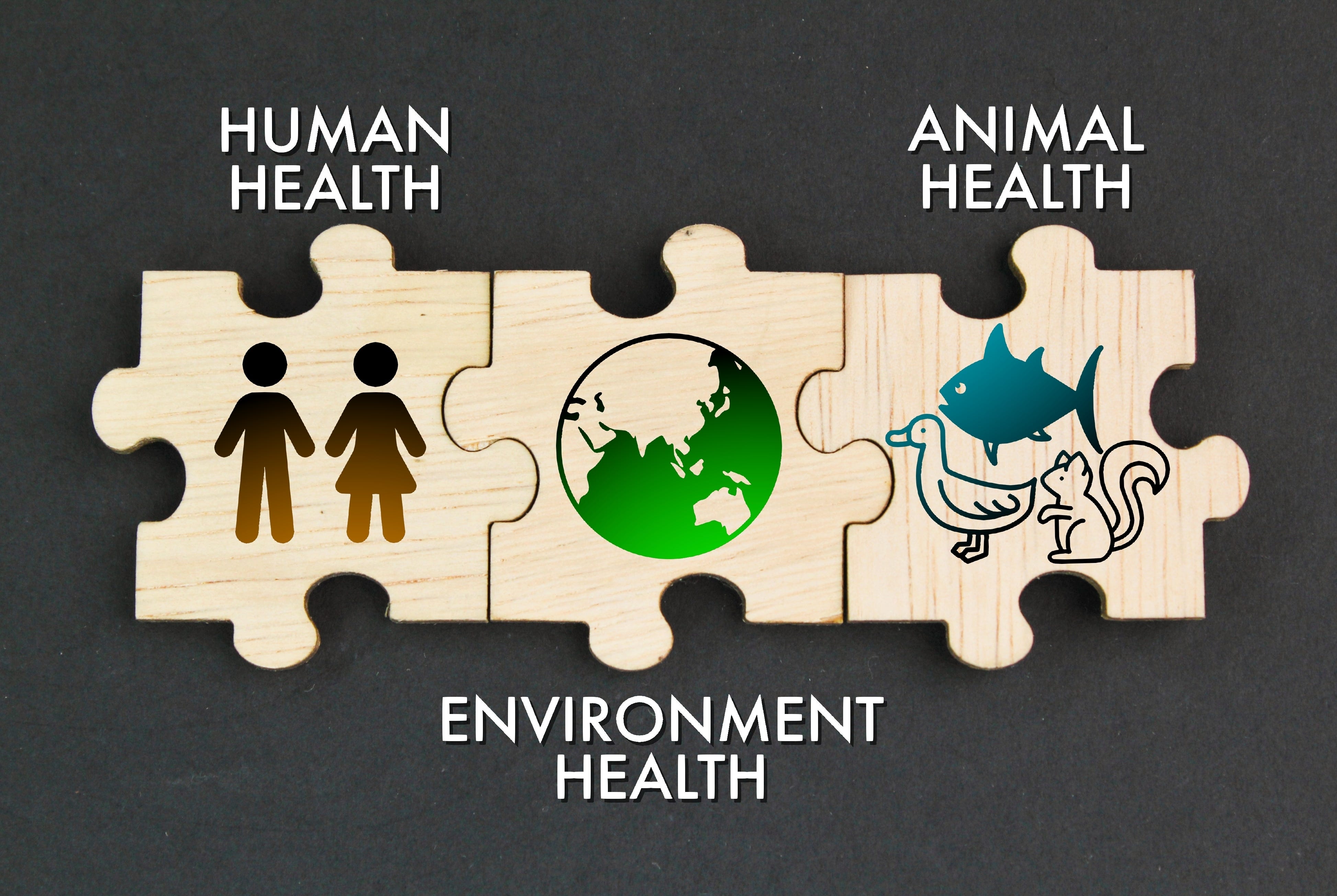
Source: Shutterstock Asset id: 2471187101Asset id: 2471187101
References
Apeagyei, Angela (Micah), Hans Elliott, Drew DeJarnatt, Carolyn Shyong, Katherine Leach-Kemon, and Joseph L. Dieleman. 2026. “The State of Global Health Funding: October 2026.” Think Global Health, October 20, 2026.
BCG (Boston Consulting Group). 2023. The Pandemic Fund Technical Advisory Panel (TAP) Evaluation: Final Report. December 2023.
Belizaire, Marie Roseline Darnycka, Otim Patrick Cossy Ramadan, Dick Chamla, Etien Luc Koua, and Ebenezer Obi Daniel. 2026. “Bundibugyo Virus: Coordinating a Cross-Border Response.” Correspondence. The Lancet 408 (10564): 1549. October 17, 2026.
CDC (Centers for Disease Control and Prevention). 2026. “Ebola Outbreak: Current Situation.” Updated October 24, 2026. Accessed October 26, 2026.
Chamla, Dick, Marie Roseline Darnycka Belizaire, Isaias Fernandes Co, Arisekola Jinadu, Ibrahim Mamadu, and Ajiri Okpure Atagbaza. 2026. “Size of the 2026 Ebola Outbreak and Risk of Cross-Border Spillover from Bundibugyo Virus in Ituri Province, DR Congo, and Its Implications for Preparedness: A Recalibrated Stochastic Modelling Study.” The Lancet Infectious Diseases. Published online June 25, 2026.
CRS (Congressional Research Service). 2026. 2026 Ebola Outbreak: Frequently Asked Questions. R49484. October 9, 2026.
Financial Afrik, Editorial Staff. 2026. “DRC: Over 700 Million USD of Aid Against Ebola Remains to Be Traced, According to Africa CDC.” October 20, 2026.
GVTC (Greater Virunga Transboundary Collaboration). 2025. “Implementing Entities and Delivering Partners Are Working to Launch the Project Aiming at Strengthening One Health-Based PPR in the Greater Virunga Landscape.” February 12, 2025.
Horton, Richard. 2026. “Offline: How to Save WHO.” Comment. The Lancet 408 (10558): 880. September 5, 2026.
Husain, Mishal. 2026. “Ebola Pioneer Peter Piot on How Worried the World Should Be.” Bloomberg, The Weekend Interview, June 5, 2026.
IGAD (Intergovernmental Authority on Development). 2026. “IGAD Releases Latest PREPARE Bulletin Amid Renewed Ebola Threat Across the Region.” October 20, 2026. (Article dateline: October 16, 2026.)
Kuchipudi, Suresh V., Malick Diara, Wondwossen A. Gebreyes, Clovice Kankya, Peter H. Kilmarx, Carla N. Mavian, Placide Mbala-Kingebeni, et al. 2026. “The DR Congo–Uganda Corridor: One Health Promised, Not Delivered.” Correspondence. The Lancet 408 (10558): 894–895. September 5, 2026. Published online August 20, 2026.
Kuppalli, Krutika, Placide Mbala, and Jake Dunning. 2026. “A Review of Bundibugyo Virus and the 2026 Outbreak: Lessons for Epidemic Preparedness.” Review. The Lancet Infectious Diseases. Published online July 31, 2026.
Landers, Clemence, Janeen Madan Keller, Nico Martínez, and Rosie Eldridge. 2024. “IDA Prevails, Others Flail—and What Recent Replenishments Portend for 2025.” Center for Global Development (blog), December 17, 2024.
Mandavilli, Apoorva. 2026. “He Helped Discover Ebola 50 Years Ago. He’s Still Worried.” New York Times, October 12, 2026.
Marquez, Patricio V. 2014. “The Ebola Threat: A ‘New Normal’?“ Investing in Health (World Bank Blogs), July 22, 2014.
Marquez, Patricio V. 2021. “Understanding the COVID-19 Pandemic as a Preventable Societal Catastrophe.” Originally published July 25, 2021, at pvmarquez.com; republished on Substack, November 8, 2025.
Marquez, Patricio V. 2022a. “How to Prevent More Pandemics? Focus on the Relationship between Humans, Wildlife, and Viruses.” Originally published June 12, 2022, at pvmarquez.com; republished on Substack, November 13, 2025.
Marquez, Patricio V. 2022b. “A Policy Perspective on Climate Change, Health, and Health Systems.” Originally published November 14, 2022, at pvmarquez.com; republished on Substack, November 11, 2025.
Marquez, Patricio V. 2025. “An Autopsy of a Crisis: Five Years After COVID-19: My Learnings and Perspectives.” Substack, March 22, 2025.
Marquez, Patricio V. 2026a. “Converging Shocks in the Summer of 2026: Wildfires, El Niño, and Risks to Ecuador’s Galápagos Islands: A Note on Anticipatory Response, Conservation, and the Financing of Resilience.” Substack, August 3, 2026. https://pmarquez.substack.com/p/converging-shocks-in-the-summer-of
Marquez, Patricio V. 2026b. “Beyond Lockdowns: New OECD Report Makes the Economic Case for Pandemic Preparedness Ahead of the UN High-Level Meeting.” Substack, September 19, 2026.
McCabe, Ruth, et al. 2026. “Estimation of the Ebola Outbreak Size in the Democratic Republic of the Congo.” Correspondence. The Lancet Infectious Diseases 26 (7): e279–e280. July 2026. Published online June 9, 2026.
Ndubuisi, Olivia. 2026. “The Ebola Outbreak Shows That the World Is Not Ready for the Next Pandemic.” PassBlue, October 1, 2026.
Pandemic Fund. 2026a. “Strengthening Global Health Security: The Pandemic Fund’s Contribution, A Statement from the Voting Members of the Governing Board.” March 16, 2026.
Pandemic Fund. 2026b. “Statement from the Voting Members of the Governing Board on the Pandemic Fund’s Accelerated Support for the Ebola Emergency.” May 29, 2026.
Pandemic Fund. n.d.a. “Congo, Dem. Rep.: Strengthening One Health Preparedness and Response Capabilities against Pandemics (SOPRAP).” Accessed October 26, 2026.
Pandemic Fund. n.d.b. “Fast-Tracked: Strengthening One Health-Based PPR in the Greater Virunga Landscape.” Accessed October 26, 2026.
Pilling, David. 2026. “Why Ebola Came Back – and a Warning for the Next Pandemic.” Financial Times, The Weekend Essay, June 13, 2026. https://www.ft.com/content/e6e31057-aded-4109-9f5e-6808c7737b0d?syn-25a6b1a6=1
Piot, Peter. 2012. No Time to Lose: A Life in Pursuit of Deadly Viruses. New York: W. W. Norton & Company.
Psaki, Stephanie. 2026. “Ebola Is Only the Beginning: Congo’s Warning for the Global Health System.” Foreign Affairs, September 18, 2026.
Reliefweb. 2014. “World Bank Group Approves US$285 Million Grant for Ongoing Ebola Crisis Response.” Press release, November 18, 2014. https://reliefweb.int/report/liberia/world-bank-group-approves-us285-million-grant-ongoing-ebola-crisis-response
Singer, Peter, A. 2026. “Why the Race for an Ebola Vaccine Is Worth Winning.” Global Health Insights, Substack, June 15, 2026.
Stefan, Cristina. 2026. “This Outbreak Is Unprecedented. The Flawed Financing Response Isn’t.” Centre for Disaster Protection, republished by PreventionWeb, September 17, 2026.
Sydney Morning Herald. 2026. “Peter Piot Helped Discover Ebola. Fifty Years On, He’s Advocating for a ‘Holy Grail’ Vaccine.” September 26, 2026. https://www.pressreader.com/australia/the-sydney-morning-herald/20260926/281724096471315
Tonen-Wolyec, Serge, and Laurent Bélec. 2026a. “The 17th Ebola Outbreak in the Democratic Republic of the Congo: A Syndemic Challenge.” Correspondence. The Lancet 407 (10546): 2369–2370. June 13, 2026. Published online May 29, 2026.
Tonen-Wolyec, Serge, and Laurent Bélec. 2026b. “Redefining the End of Uganda’s Ebola Virus Crisis.” Correspondence. The Lancet 408 (10558): 894. September 5, 2026. Published online August 19, 2026.
WHO (World Health Organization). 2026a. “WHO Director-General’s Opening Remarks at the Second IHR Emergency Committee Meeting on Bundibugyo Virus Disease Epidemic in the Democratic Republic of the Congo.” August 18, 2026.
WHO (World Health Organization). 2026b. “WHO Director-General’s Opening Remarks at the Media Briefing.” October 7, 2026.
WHO AFRO (World Health Organization Regional Office for Africa). 2026. “Nigeria Confirms Imported Case of Ebola Bundibugyo Virus Disease.” News release, October 20, 2026.
World Bank. 2014a. “Ebola: World Bank Group Approves US$105 Million Grant for Faster Epidemic Containment in Guinea, Liberia, and Sierra Leone.” Press release, September 16, 2014.
World Bank. 2014b. Africa: Ebola Emergency Response Project; Project Appraisal Document. Report No. PAD1134, Project ID P152359. September 10, 2014. Washington, DC: World Bank. (Direct PDF)
World Bank. 2016. Pandemic Emergency Financing Facility: Global Pandemic Response through a Financial Intermediary Fund. Report No. 104838, Board Report R2016‑0071. Washington, DC: World Bank Group, Development Finance, Human Development, and Treasury Vice Presidencies. May 3, 2016. https://documents1.worldbank.org/curated/en/354341467990992248/pdf/104838-BR-R2016-0071-Box394885B-OUO-9.pdf
World Bank. 2026a. “World Bank Group Expands Ongoing Support for Ebola Response in DRC and the Region.” Press release, October 13, 2026.
World Bank. 2026b. “Response to Ebola Outbreak in Democratic Republic of Congo (DRC) and Uganda.” Factsheet. Accessed October 26, 2026.