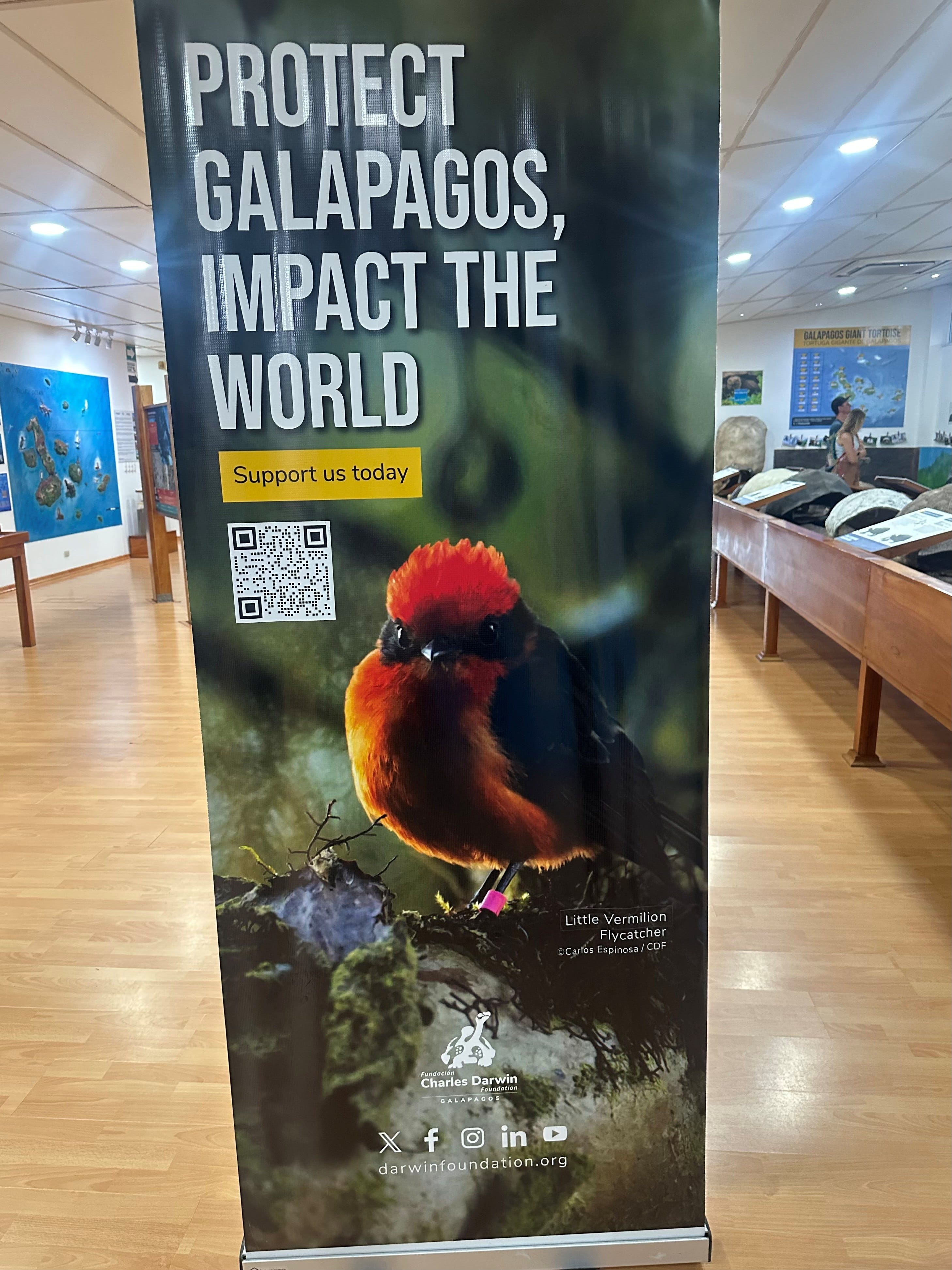
The Charles Darwin Foundation in 2025: Advancing Science-Based Conservation in the Galapagos Islands

“Considering the small size of the islands, we feel the more astonished at the number of their aboriginal beings, and at their confined range. Seeing every height crowned with its crater, and the boundaries of most of the lava-streams still distinct, we are led to believe that within a period geologically recent the unbroken ocean was here spread out. Hence, both in space and time, we seem to be brought somewhat near to that great fact—the mystery of mysteries—the first appearance of new beings on this earth.”
— Charles Darwin, The Voyage of the Beagle (1839), p. 359
“It is interesting to contemplate an entangled bank, clothed with many plants of many kinds, with birds singing on the bushes, with various insects flitting about, and with worms crawling through the damp earth, and to reflect that these elaborately constructed forms, so different from each other, and dependent upon each other in so complex a manner, have all been produced by laws acting around us. These laws, taken in the largest sense, being Growth with Reproduction; Inheritance which is almost implied by reproduction; Variability from the indirect and direct action of the external conditions of life, and from use and disuse; a Ratio of Increase so high as to lead to a Struggle for Life; and as a consequence to Natural Selection; entailing Divergence of Character and the Extinction of less-improved forms.”
— Charles Darwin, On the Origin of Species (1859), p. 490
“In a world marked by growing environmental pressures and increasing uncertainty, the role of science in guiding effective conservation has never been more critical.”
— Yolanda Kakabadse, Charles Darwin Foundation 2025 Impact Report, President of the Board of Directors, Charles Darwin Foundation for the Galápagos Islands, p. 5.
Introduction
Ahead of my participation in this year’s General Assembly of the Charles Darwin Foundation (CDF) for the Galápagos Islands — where I have the privilege of serving as an elected governing member — I spent time reviewing the Foundation’s 2025 Impact Report (CDF 2026a), along with other institutional documentation and financial reports prepared for the Assembly.
This year’s General Assembly takes place on May 31-June 2, 2026, at the Charles Darwin Research Station in Puerto Ayora, Santa Cruz Island, Galápagos, Ecuador.
Source: Photo by author, Charles Darwin Foundation/Charles Darwin Research Station in Puerto Ayora, Galapagos, Ecuador, June 2, 2026.
The Impact Report was presented and discussed during the Assembly's opening sessions and released publicly thereafter. This post summarizes key findings from my reading of the Impact Report, covering both work activities and results achieved over the past twelve months.
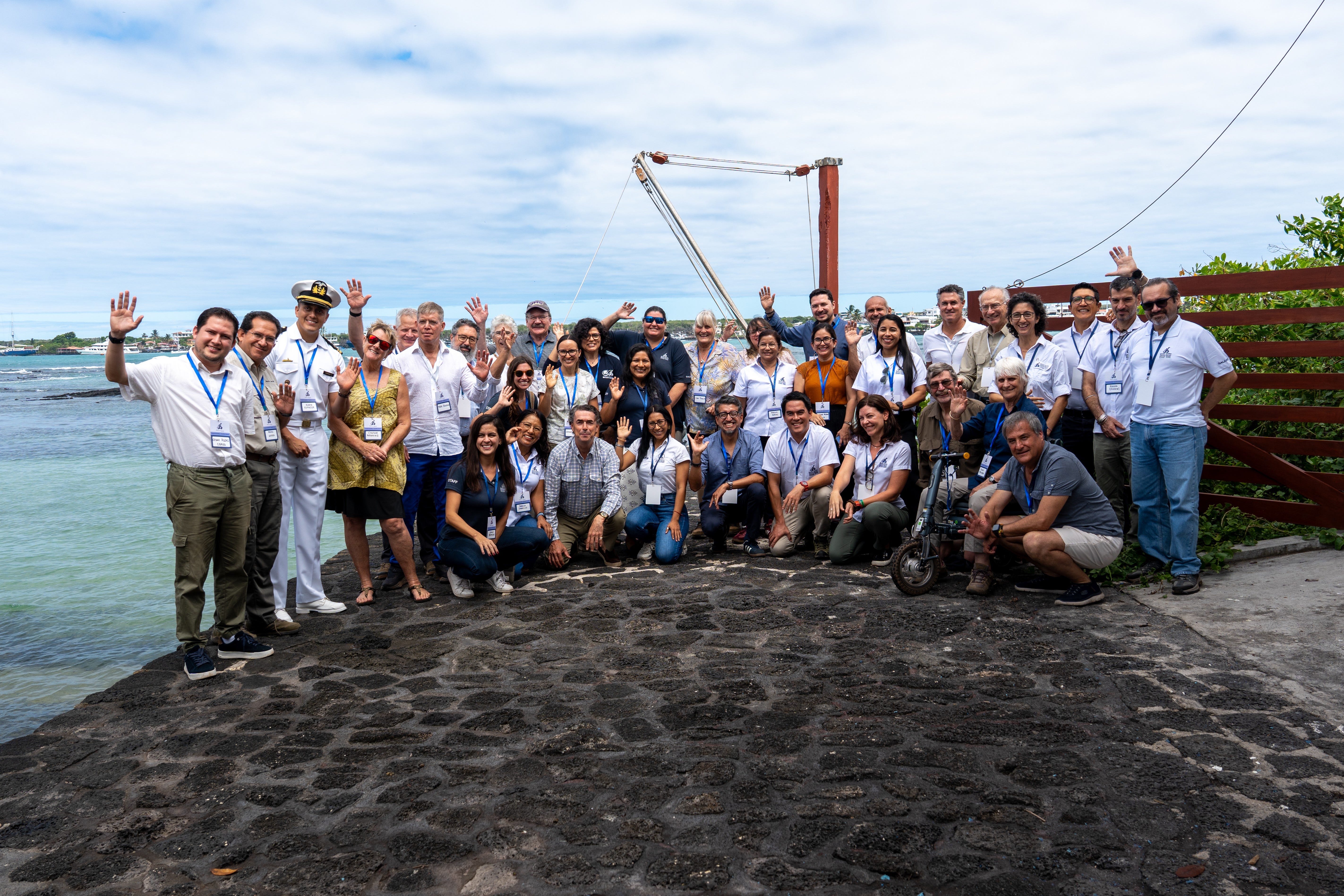
Source: Photo by Mara Speece, Charles Darwin Foundation General Assembly, Puerto Ayora, Galápagos Islands, Ecuador, June 1, 2026.
A Year of Resilience and Achievement
Overall, what emerges from the review of the Impact Report is more than an institutional snapshot. It is a reflection on the Foundation’s evolving role in supporting science-based conservation in the Galápagos Islands, including its work on ecosystem restoration, marine protection, biodiversity research, and environmental education; its provision of scientific information and technical advice; the partnerships it sustains; and the long-term stewardship challenges facing one of the world’s most extraordinary natural laboratories.
CDF’s sustained work shows that, in a world increasingly defined by ecological instability, geopolitical uncertainty, climate pressure, erosion of international funding, and fragmented political attention, scientific research and knowledge generation remain essential for informing policy development and the design and implementation of programs that address existing and emerging conservation challenges.
The Impact Report covers a year that tested the institution in multiple ways — from the dismantling of bilateral funding streams that affected key marine programs, to evolving operational and governance challenges within the Galápagos context itself. Yet the broader story is one of resilience, institutional maturity, scientific credibility, and growing strategic relevance. Across land, ocean, and community programs, the Foundation continued not only generating knowledge, but increasingly translating that knowledge into conservation action, ecosystem restoration, policy guidance, environmental governance, education programs, and international scientific collaboration (CDF 2026a).
Equally important, as highlighted in the Impact Report, the Foundation's work does not occur in isolation. For more than 60 years, it has operated in close collaboration with and in support of the State of Ecuador and the Galápagos National Park Directorate—its most important institutional partner—contributing evidence and long-term monitoring as critical inputs for conservation decisions and actions across the archipelago.
The Impact Report also underscores the critical role played by strategic institutional partners, the Galápagos Life Fund and other philanthropic initiatives, corporate supporters, foundations, and more than one thousand individual donors whose contributions in 2025 helped sustain and expand core programs amid an increasingly uncertain global funding environment (CDF 2026a; Marquez 2025).
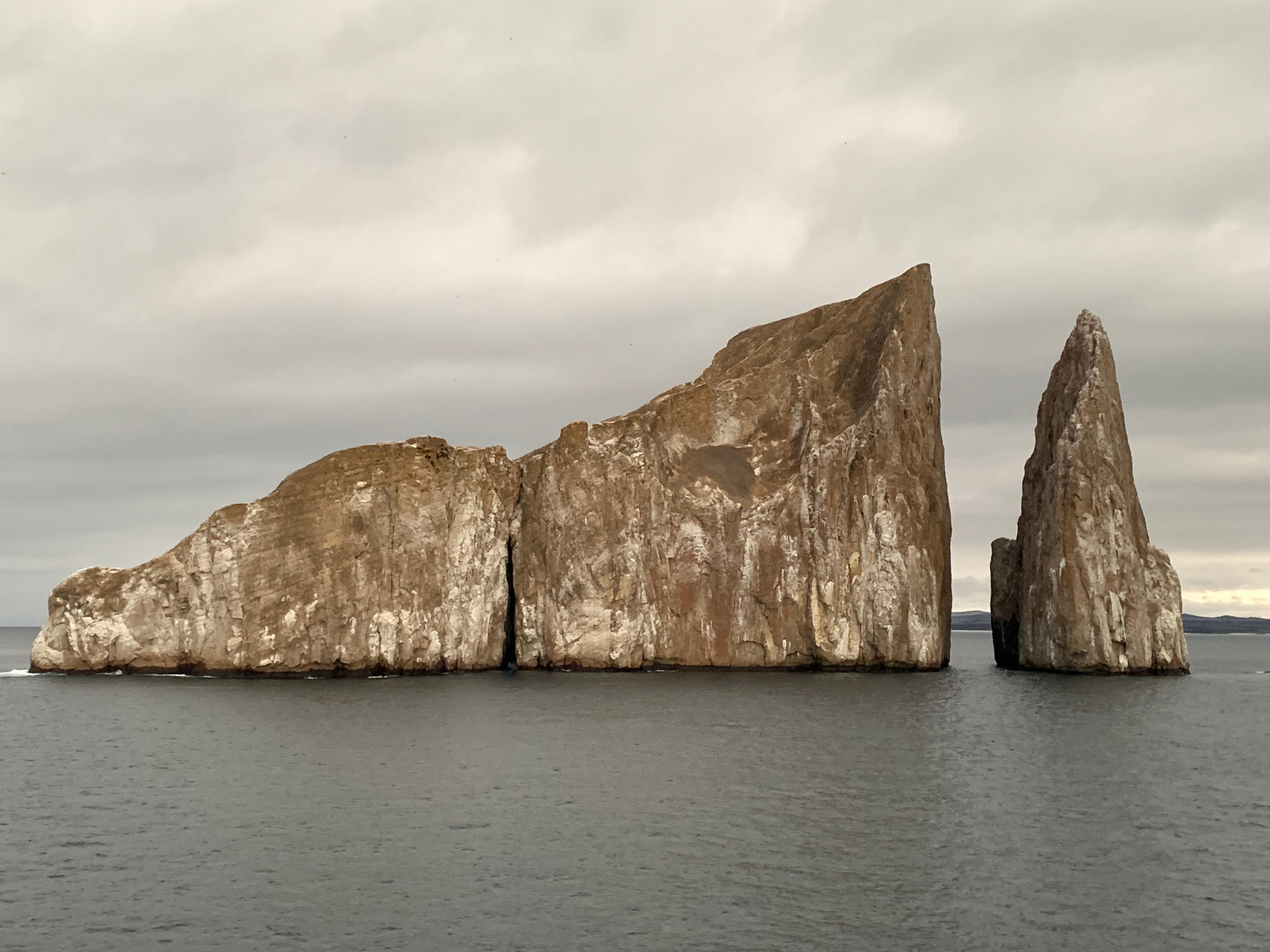
Source: Photo taken by the author, León Dormido (Sleeping Lion), off San Cristóbal Island, Galápagos Islands. Ecuador, November 2019.
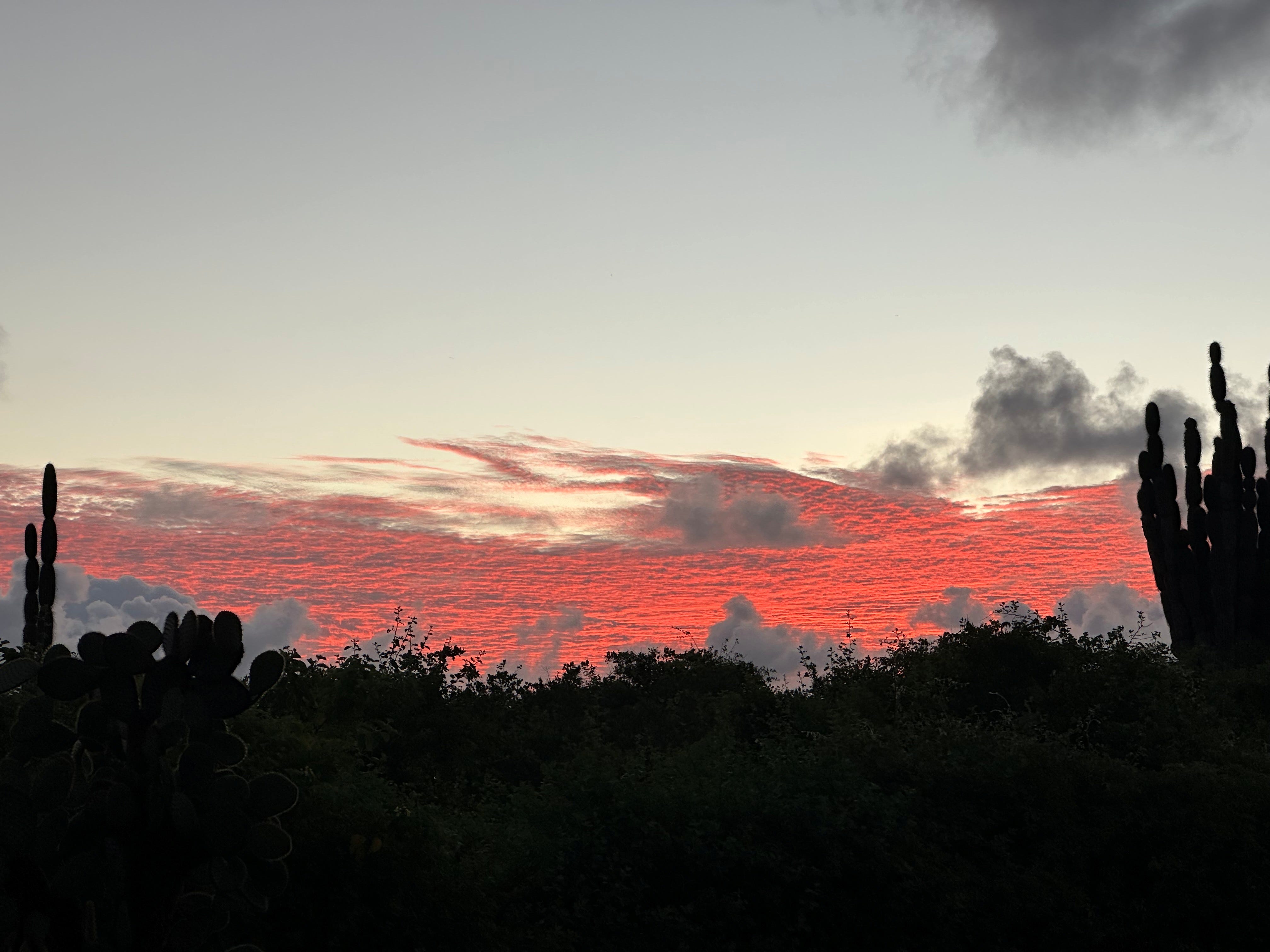
Source: Photo taken by the author, sunset in Puerto Ayora, Santa Cruz, Galápagos Islands. Ecuador, June 1, 2026.
Science as Infrastructure for Conservation
One of the clearest messages emerging from the Impact Report is that science in Galápagos can no longer be understood merely as observation or documentation. Increasingly, it functions as operational infrastructure for conservation decision-making.
In 2025, the CDF strengthened its role as the leading scientific institution supporting conservation in Galápagos by advancing from knowledge generation to a more integrated, systems-based understanding of how ecosystems function and respond to change.
CDF researchers work across more than 80 study areas spanning the Galápagos Marine Reserve and the terrestrial protected areas of the archipelago. Their work linked biodiversity, ecosystem dynamics, climate pressures, fisheries management, invasive species control, a one health approach to safeguard recovery, and community education and participation into a more integrated understanding of ecological resilience (CDF 2026a).
This shift matters as the future of conservation, not only in Galápagos but globally, depends less on isolated species interventions and more on understanding systems: how oceans, forests, invasive species, climate variability, governance, tourism, fisheries, and human communities interact over time. The Impact Report shows that CDF is increasingly positioning itself at that intersection between science and applied knowledge.
That role is also visible internationally. During 2025, the Foundation contributed to the first Ocean Account for Ecuador’s insular waters presented at the United Nations Ocean Conference, strengthened regional collaboration through the Deep Ocean Alliance within the Eastern Tropical Pacific region, and advanced science-based coral conservation planning and fisheries management (CDF 2026a).
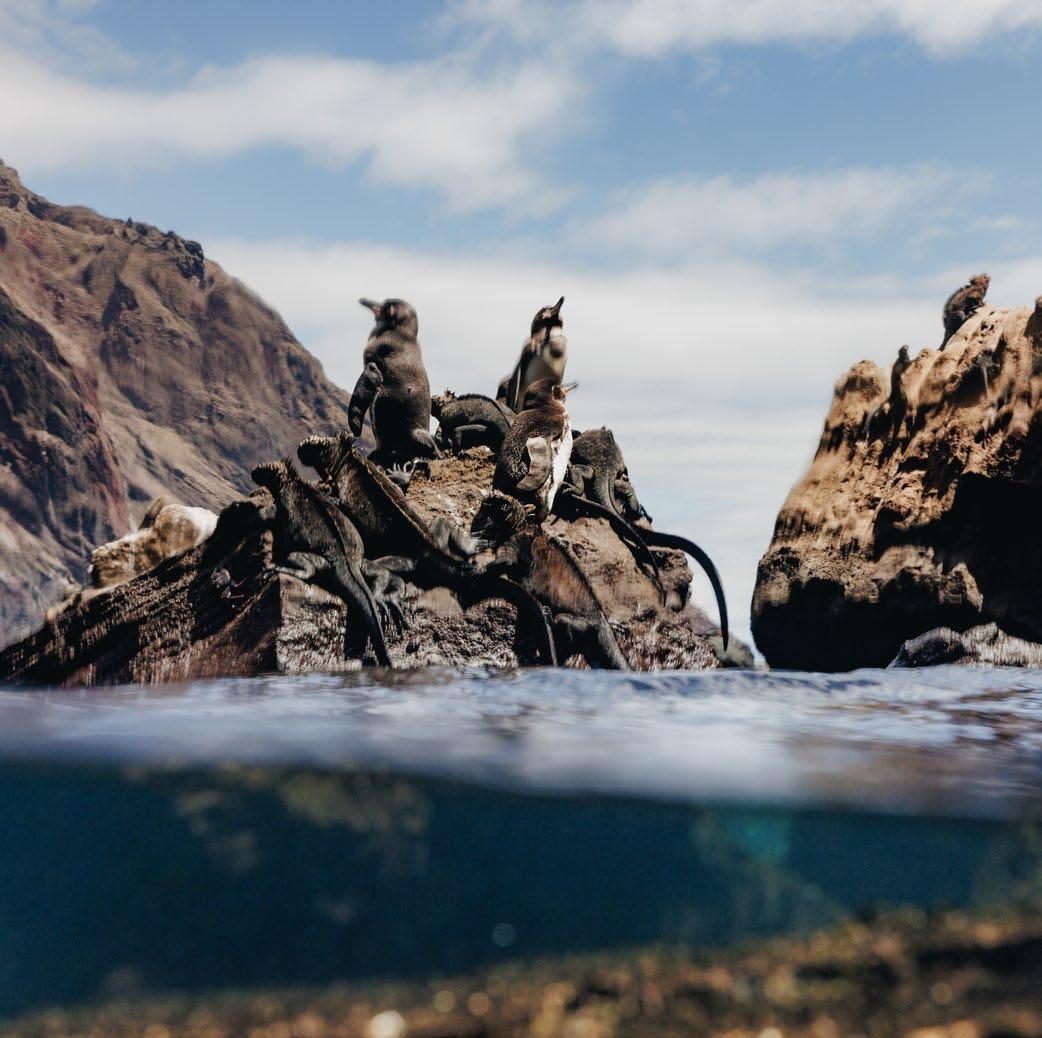
Source: Photo by Joshua Vela, Charles Darwin Foundation. Penguins and marine iguanas at Punta Vicente Roca, a remote marine site located on the northwestern tip of Isabela Island, Galapagos, Ecuador.
A Landmark Investment in Scientific Capacity
Perhaps a visible achievement documented in the Impact Report is the completion of the Wijnand Pon Natural History Collections Building, a major investment in the scientific infrastructure of Galápagos.
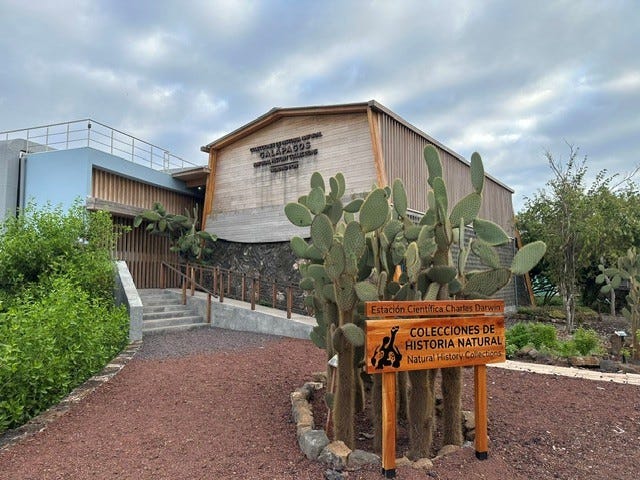
Source: Photo by author. Wijnand Pon Natural History Collections Building, Charles Darwin Foundation and the Charles Darwin Research Station in Puerto Ayora, Galapagos, Ecuador. June 3, 2026.
The building is named in honor of its main benefactor, Wijnand Pon, a Dutch entrepreneur, investor, and philanthropist, and made possible through the support of the COmON Foundation, a Netherlands-based philanthropic organization dedicated to supporting large-scale ecosystem restoration, biodiversity conservation, and landscape regeneration initiatives around the world.
Housing more than 137,000 specimens representing over 7,500 species—endemic, native, and introduced—from across the archipelago, the CDF collections are among the world’s most important repositories of island biodiversity safeguarded on behalf of the State of Ecuador. The new facility does more than protect specimens. It secures institutional memory, strengthens Ecuador’s long-term scientific capacity, and creates a platform for future generations of research (CDF 2026a).
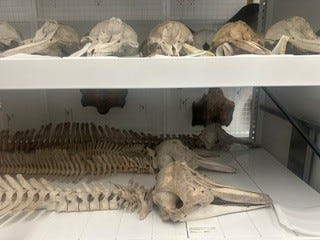
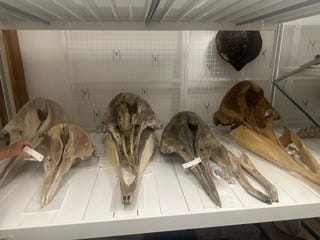
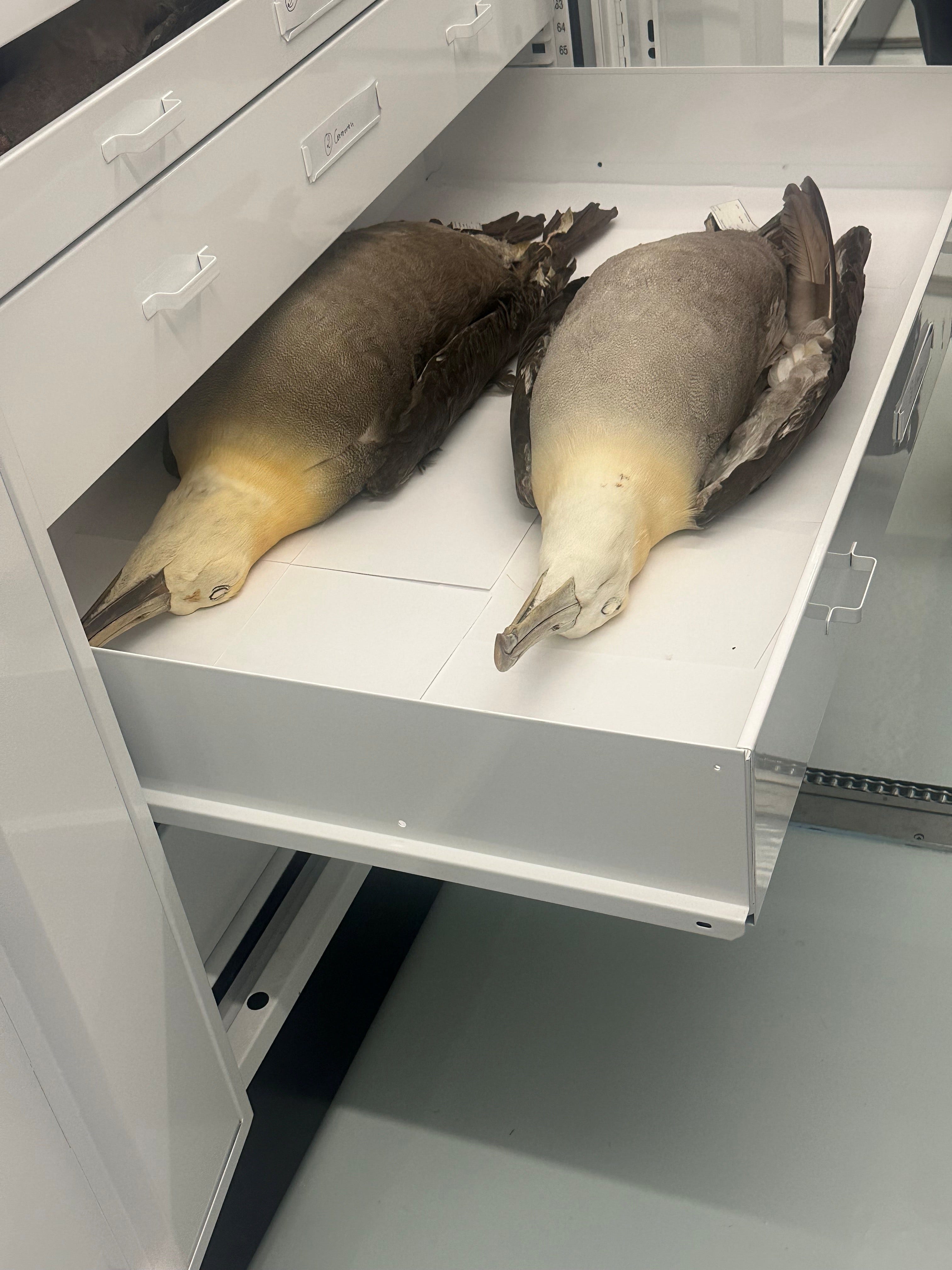
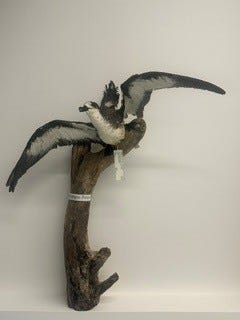
Source: Photo taken by the author, visit to Wijnand Pon Natural History Collections Building, Charles Darwin Foundation Research Station, Puerto Ayora, Santa Cruz, Galápagos Islands. Ecuador, June 1, 2026.
Importantly, the project was completed in a remote and logistically difficult environment on time, on budget, and relying heavily on local expertise and craftsmanship. That operational accomplishment deserves to be highlighted and recognized as a good institutional practice.
What I found especially important is the Impact Report’s emphasis on opening science to the broader community. Through external observation corridors and public-facing collection spaces, the building is expected to transform what could have remained a closed scientific archive into a living educational platform connecting visitors and residents alike with the extraordinary biodiversity of the islands.
At a deeper level, the new collections building symbolizes something larger: the understanding that scientific institutions themselves are part of the conservation infrastructure required to protect global public goods over the long term.
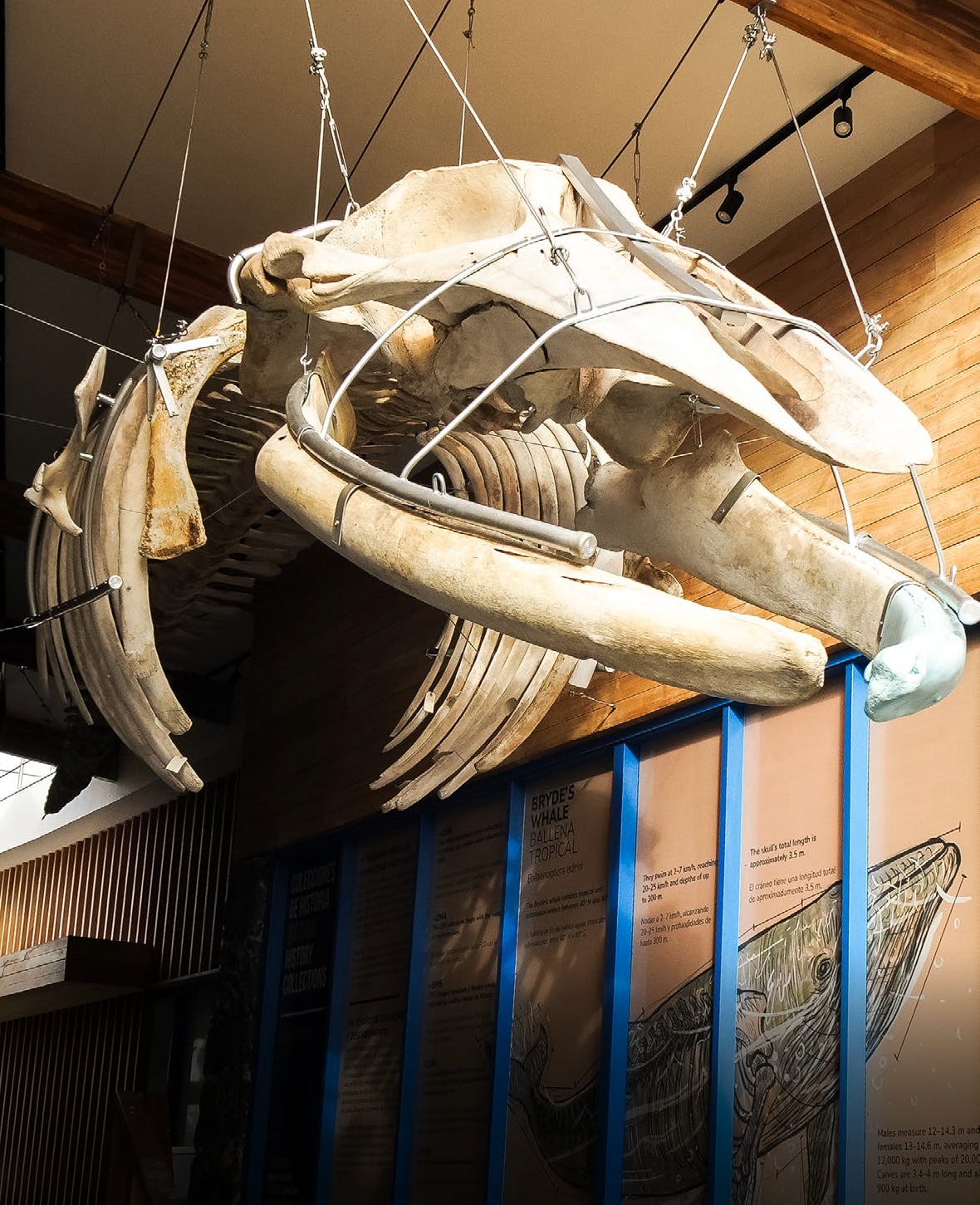
Source: Photo by Alma Suarez, CDF. The Bryde’s whale skeleton hanging over the visitor passageway at the new Wijnand Pon Natural History Collections Building, located within the campus of the Charles Darwin Foundation and Charles Darwin Research Station in Puerto Ayora, Galapagos, Ecuador.
Floreana Island: Restoration at Ecosystem Scale
As I wrote last year following the CDF's 54th General Assembly, the Foundation's 2024 Impact Report documented what sustained, science-driven conservation actually achieves in the Galápagos (Marquez 2025).
The 2025 Report, in turn, reflects on a major institutional milestone: the formal designation of the CDF as a co-executor of the Floreana Ecological Restoration Project, part of a broader effort, decades in the making, with an estimated cost of about $15 million. The Project is led by the Galápagos National Park Directorate and the Galápagos Biosecurity Agency, and co-executed by Island Conservation, Fundación Jocotoco, and the CDF, with support from numerous partners and donors. Within this collaboration, the CDF plays a key scientific role, contributing research, monitoring, and technical expertise to guide one of the most ambitious ecosystem-restoration initiatives ever attempted in the Galápagos.
Historically, Floreana was among the first Galápagos islands inhabited by humans, serving as a stopover for pirates in the late seventeenth century and, from the late eighteenth century into the nineteenth century, for British and American whalers (Stewart 2007). It became the first island colonized by Ecuador in 1832 and was home to some of the archipelago’s earliest permanent settlers, who introduced livestock — cattle, goats, and donkeys — along with cats and rats. These introductions profoundly altered the island’s ecosystems, leaving Floreana as one of the most environmentally degraded islands in the archipelago.
Following the eradication of invasive goats in 2007, conservation efforts turned to restoring native wildlife, including the critically endangered Floreana mockingbird — extinct on the main island but surviving on two nearby islets, and now the focus of ambitious reintroduction and ecosystem-restoration programs (Galápagos Conservancy 2026; Island Conservation 2026).
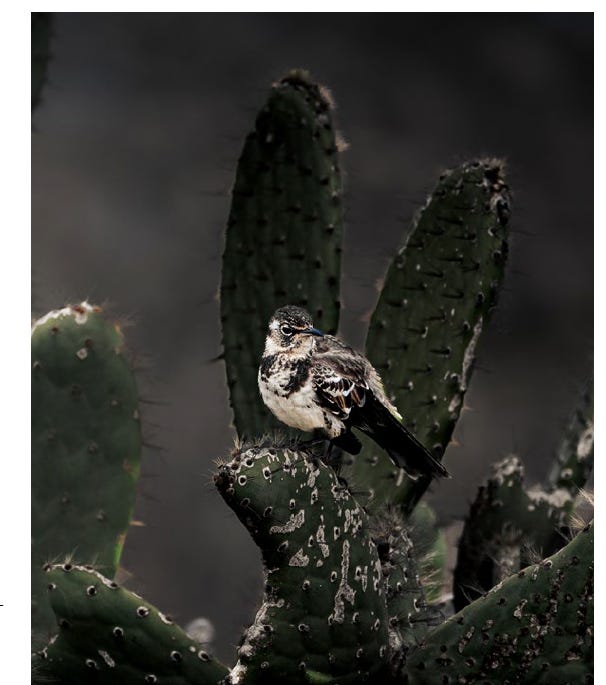
Source: Photo by Carlos Espinosa, Charles Darwin Foundation (CDF). Floreana Mockingbird (Mimus trifasciatus) on Champion Islet, Galapagos, Ecuador.
Now well into its second decade, the Floreana Ecological Restoration Project ranks among the largest island-restoration efforts underway anywhere in the world. What sets it apart is its reach beyond single-species protection toward full ecosystem recovery, combining invasive-species control, habitat restoration, scientific monitoring, species reintroductions, and community engagement within a single integrated framework.
As noted in a Science article (Quaglia 2026), the effort has already produced encouraging results. After being considered extinct since the mid-nineteenth century, giant tortoises of Floreana lineage (Chelonoidis niger niger) have been bred through a long-term program built on genetic descendants discovered elsewhere in the archipelago. In 2024, nineteen tortoises were transferred to a protected area on Floreana as a precursor to their release into the wild.
In February 2026, giant tortoises returned to the landscapes of Floreana: 158 juveniles of Floreana lineage were released into their ancestral habitat (CDF 2026b; Island Conservation 2026). Their return opens a new phase of rewilding on Floreana — and signals, for the island's roughly 160 residents, that a recovery long thought impossible is now underway.
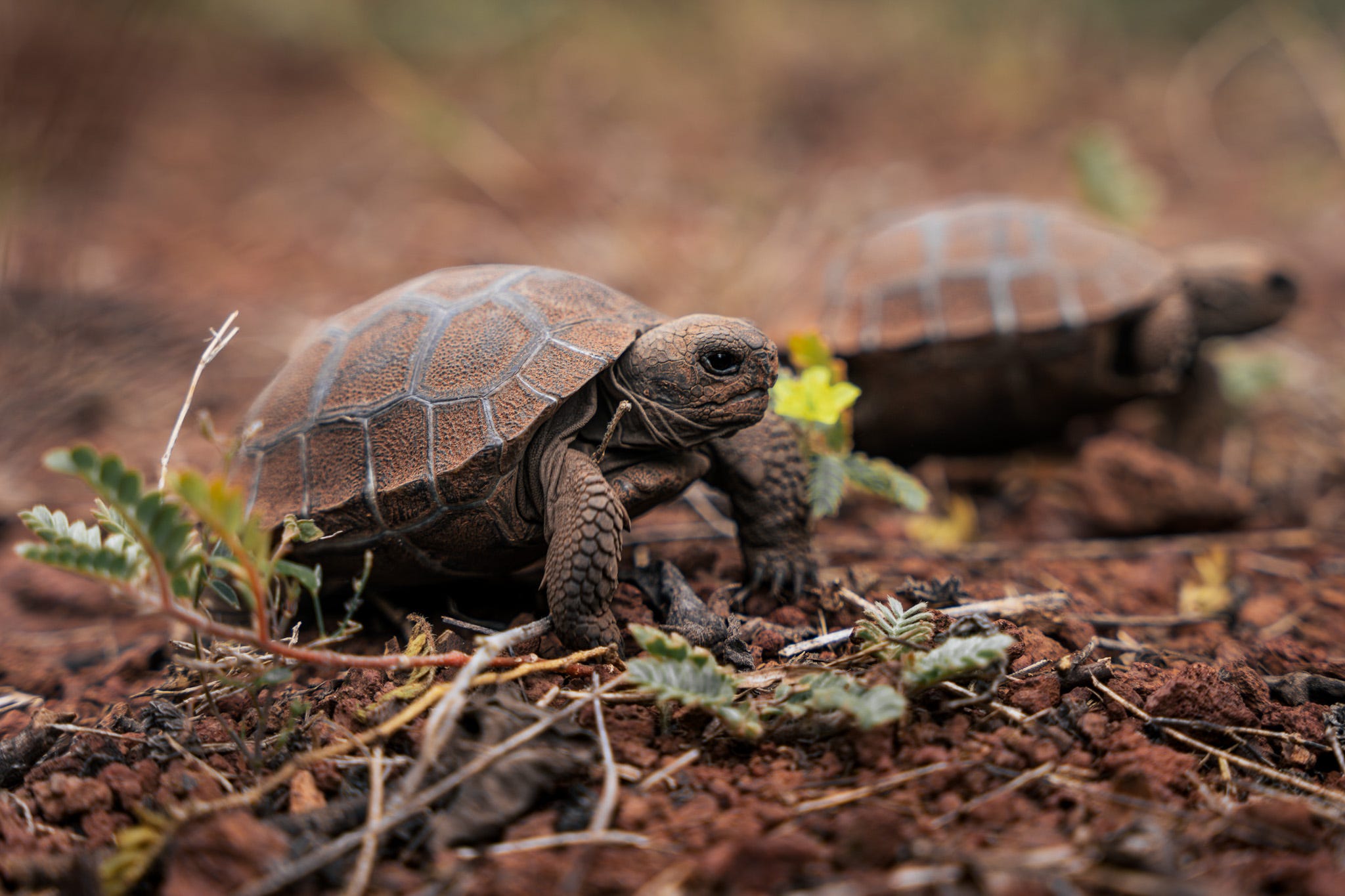
Source: Photo by Carlos Espinosa, Charles Darwin Foundation (CDF). Galapagos Giant Tortoise Species, Cerro Fatal on Santa Cruz Island, Galapagos, Ecuador.
At the same time, scientists have documented the recovery of native wildlife across Floreana, including beetles, butterflies, snails, geckos, and lava lizards. Particularly noteworthy was the rediscovery of the Galápagos Rail (Laterallus spilonota), locally known as the Pachay — a rare, secretive ground bird not recorded on Floreana since Charles Darwin documented it in 1835, nearly 190 years earlier (CDFb).
Researchers also reported improved breeding success among several endangered landbird species, while long-term monitoring has begun to track the island’s ecological recovery and the land–sea connections through which restoration on land may, over time, benefit adjacent marine ecosystems (CDF 2026a).
These are early but important signs that ecological recovery is possible when restoration is sustained over time and guided by rigorous science.
The Project also reflects a broader evolution in conservation thinking. Increasingly, success is measured not only by the protection of individual species, but by the recovery of ecological processes, food webs, and the resilience of entire systems.
Landbirds, Invasive Species, and the Long Horizon of Conservation
Few sections of the Impact Report better illustrate the patience that conservation science demands than the work on the Avian Vampire Fly (Philornis downsi), one of the most destructive invasive species threatening Galápagos landbirds. For more than a decade, CDF scientists and partners have pursued biological control that is both scientifically robust and safe for native species. In 2025, after years of laboratory and field work, researchers submitted a comprehensive dossier on a candidate parasitoid wasp for regulatory review (2026a).
A One Health approach is being followed as part of the work of the CDF to treat species recovery as a matter of preventing hidden threats, not just boosting numbers. Because Galápagos landbirds share habitat with domestic poultry and human settlements, disease surveillance is essential to catch spillovers that could quickly undo conservation gains. In 2025, CDF researchers screened 421 blood samples from 14 landbird species across five islands for Mycoplasma spp., adenovirus, and herpesvirus, identifying seven novel adenoviruses and three novel herpesviruses — expanding the archipelago’s disease baseline and sharpening insight into emerging risks (CDF 2026a).
The above reflects how conservation often works in practice: not through dramatic headlines, but through years of incremental research, monitoring, experimentation, and science-based regulation.
Additionally, the Impact Report documents encouraging progress for the Little Vermilion Flycatcher, whose population in Santa Cruz Island is showing gradual signs of recovery as blackberry removal restores foraging habitat and the treatment of nests against parasitic fly larvae lifts fledgling survival. For the critically endangered Mangrove Finch — fewer than 100 individuals confined to two patches of mangrove forest on Isabela Island— the work remains a holding effort: intensive nest protection and monitoring aimed at stabilizing a population that is still acutely vulnerable (CDF 2025; CDF 2026).
There is a broader lesson that comes out across the different sections of the Impact Report: ecosystem restoration is rarely linear. Success in one area can create unexpected ecological dynamics elsewhere. Recovery requires adaptive management, long-term financing, and institutional continuity — precisely the capacities that institutions like CDF help to sustain.
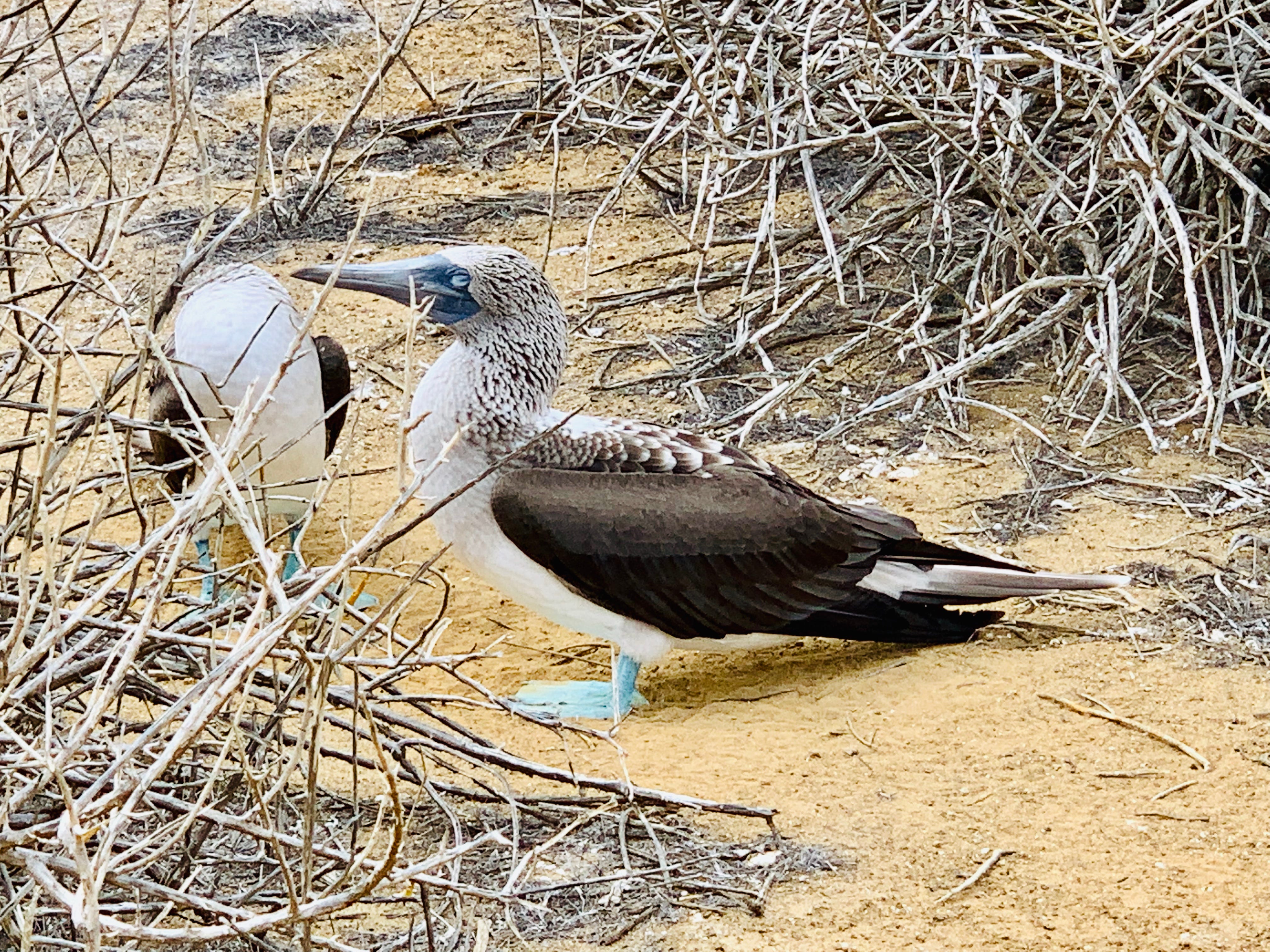
Source: Photo taken by the author, November 2019. Blue-footed Booby (Sula nebouxii), Galapagos, Ecuador.
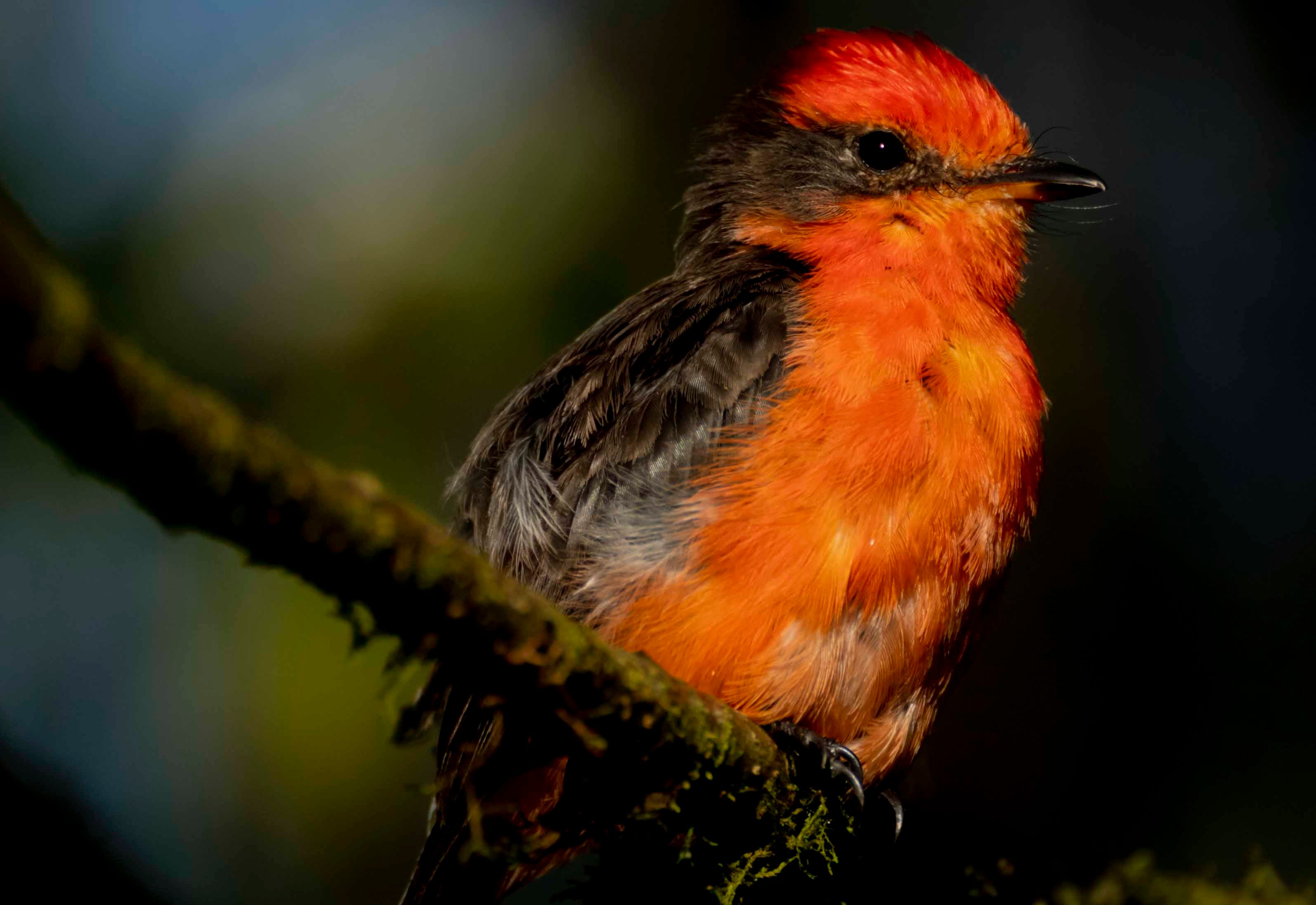
Source: Photo by Carlos Espinosa, Charles Darwin Foundation (CDF). Pájaro Brujo — Darwin's flycatcher (Pyrocephalus nanus). This Galápagos bird is protected inside the Pájaro Brujo Preserve on Santa Cruz Island.
Restoring the Endangered Giant Scalesia Forests
Scalesia forests are the only tree-dominated ecosystem endemic to the Galápagos archipelago, supporting communities of plants, insects, and birds found nowhere else on Earth. Today, less than 1% of their original range survives, and what remains is fragmented and degraded by invasive plants — particularly blackberry (Rubus niveus) — across several islands.
In 2025, the Galápagos National Park Directorate, with the CDF and other partners, accelerated restoration on Isabela and Santa Cruz, pairing advanced mapping and invasive-plant control with targeted reforestation. The results have been quite significant: the work done has successfully controlled invasive species plants and planted thousands of Scalesia pedunculata and S. cordata on Santa Cruz and Isabela islands (Jäger 2026). The challenge now is to scale up this effort.
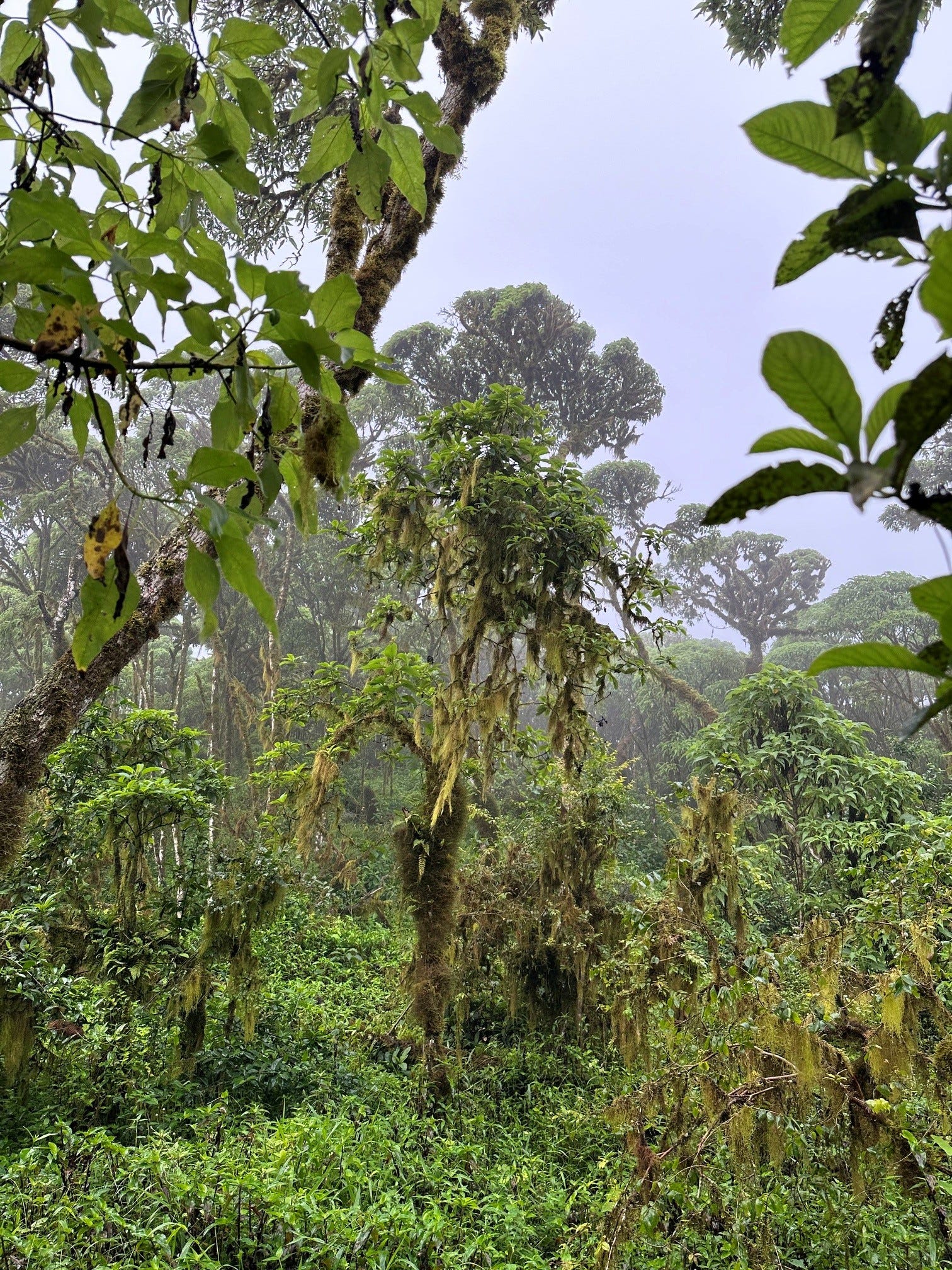
Source: Photo by author, June 2023. Visit to Scalesia forest restoration in Santa Cruz, Galapagos, Ecuador.
Ocean Science in an Era of Climate Change
The marine section of the Impact Report underscores that the future of Galápagos conservation is inseparable from the broader Eastern Tropical Pacific. New international partnerships are strengthening protection for endangered Scalloped Hammerhead Shark populations across this interconnected marine corridor, reflecting the growing recognition that safeguarding migratory species requires coordinated action that extends well beyond the boundaries of any single protected area or nation.
The rediscovery of the coral Rhizopsammia wellingtoni, thought extinct after the 1997–98 El Niño event, offers a powerful reminder of both ecological fragility and resilience. Similarly, research tracking hammerhead shark migration, deep-ocean ecosystems, mangrove ecology, seabird health, and green turtle responses to climate variability highlights the importance of sustained monitoring in an era of accelerating environmental change, and to deal with the impacts of El Niño events, which alter temperature and rainfall patterns across regions and typically exert a warming effect on the global climate (CDF 2026a; WMO 2026).
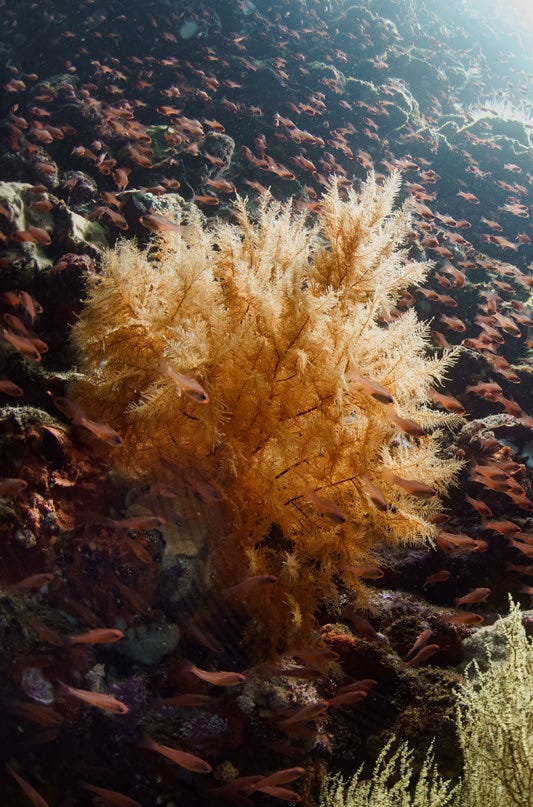
Source: Photoby Joshua Vela. Charles Darwin Foundation. Vertical coral gardens at Guy Fawkes Islets, a small group of volcanic islets located northwest of Santa Cruz Island within the Galápagos Marine Reserve, Ecuador.
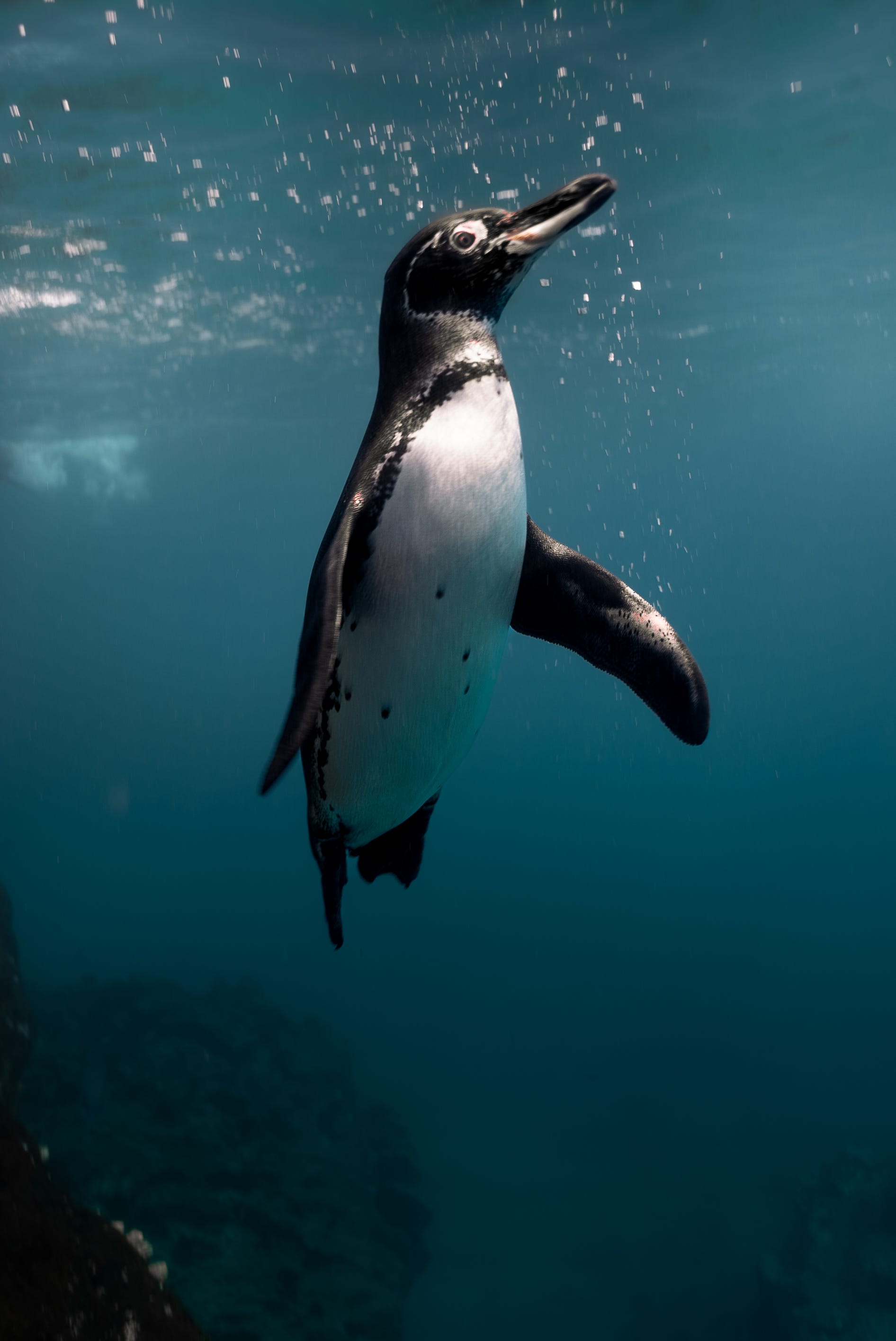
Source: Photo by Carlos Espinosa, Charles Darwin Foundation (CDF). Galápagos penguin (Spheniscus mendiculus) at Bartolome, Galapagos, Ecuador.
These findings matter not only for Galápagos. They contribute to a growing body of knowledge about how marine ecosystems respond to warming oceans, biodiversity loss, ocean acidification, and mounting human pressures across the tropical Pacific.
In many ways, the Galápagos Marine Reserve has become both a sanctuary and a living laboratory — a place where the future challenges facing marine biodiversity worldwide can already be observed in real time.
Conservation Ultimately Depends on People
The Impact Report points out that conservation and human development are deeply interconnected. The work of the CDF places strong emphasis on sustainable fisheries, local livelihoods, education, youth engagement and the preparation of the next generation of leaders, recognizing that enduring conservation outcomes depend not only on protecting species and ecosystems but also on fostering informed, resilient, and engaged communities.
That perspective is essential. Protected areas do not endure simply because boundaries are drawn on maps. They endure when institutions remain credible, when science informs decision-making, when communities recognize tangible benefits from conservation, and when each generation develops a sense of responsibility for the natural heritage it inherits.
Viewed through that lens, the Impact Report offers a lesson that extends far beyond the Galápagos. Effective conservation is not only about safeguarding species and habitats; it is equally about building and sustaining the scientific, institutional, and social foundations that convert conservation science into shared learning, and knowledge into lasting conservation impact (Kerblat-Bonnet 2026).
Final Reflections
Reading the CDF’s 2025 Impact Report and related Assembly documentation, I was reminded that the Galápagos Islands continue to occupy a unique place in the global imagination — not only because of Darwin or evolutionary theory, but because they remain one of the few places on the planet where humanity still has an opportunity to demonstrate that large-scale ecological restoration is possible.
Realizing the benefits of this opportunity, however, requires institutions capable of sustaining scientific excellence across generations, as exemplified by the CDF’s work in support of the Galápagos National Park Directorate’s mission. It also requires partnerships that transcend political cycles, communities willing to balance conservation and development, and donors who recognize that protecting biodiversity is not an act of charity but an investment in global public goods.
As the Impact Report documents, the CDF continues to play that role. At a time when biodiversity loss, climate change, and ecosystem degradation intensify worldwide, the Foundation’s work serves not only the Galápagos Islands but also the broader international community. The lessons generated, the science produced, and the conservation capacity strengthened in Galápagos contribute to a larger effort to understand, protect, and sustain the natural systems upon which all societies ultimately depend.
A Call to All to Get Engaged and Support the CDF
The Galápagos Islands are not only Ecuador’s natural heritage; they are part of the world’s. Their future will not be secured by good intentions alone, but by the capacity to translate knowledge into effective stewardship — a capacity that rests on the organizations, expertise, and partnerships that sustain conservation over time.
Sustaining that work requires resources. At a time when research and environmental organizations worldwide face mounting financial pressure, expanded resource mobilization and predictable, sustained funding streams are critical (Marquez 2026). The work of the CDF depends on donors, partners, and supporters who recognize that protecting biodiversity is not merely an environmental cause but an investment in a global public good whose benefits reach all of us.
Those interested in learning more about the work of the Charles Darwin Foundation, supporting its mission, or contributing to ongoing conservation and scientific efforts can do so through the Foundation’s official website:
https://www.darwinfoundation.org
All donations via the Charles Darwin Foundation website are tax-deductible in the United States and securely processed by its charitable partner, Friends of the Charles Darwin Foundation, a 501(c)(3) non-profit organization (EIN: 86-2660112).
References
Charles Darwin Foundation (CDF). 2025. Historic Breeding Season for Galápagos Landbirds. May 28, 2025. https://www.darwinfoundation.org/en/news/all-news-stories/historic-breeding-season-for-galapagos-landbirds/.
Charles Darwin Foundation (CDF). 2026a. 2025 Impact Report. Puerto Ayora, Galápagos Islands: Charles Darwin Foundation. Available at: Impact Report 2025 - Charles Darwin Foundation
Charles Darwin Foundation (CDF). 2026b. 158 Endangered Tortoises Released onto Floreana Island, Galápagos for First Time in over 180 Years. February 20, 2026.
Darwin, Charles. 1839. Journal of Researches into the Geology and Natural History of the Various Countries Visited by H.M.S. Beagle under the Command of Captain FitzRoy, R.N. from 1832 to 1836. London: Henry Colburn. Available at: https://www.gutenberg.org/ebooks/944
Darwin, Charles. 1859. On the Origin of Species by Means of Natural Selection. London: John Murray. Available at: https://archive.org/details/darwin-online_1859_Origin_F373
Galápagos Conservancy. 2026. A Homecoming for Floreana. February 2026. https://www.galapagos.org/newsroom/a-homecoming-for-floreana/.
Island Conservation. 2026. Endangered Tortoises Released onto Floreana Island, Galápagos. February 20, 2026. https://www.islandconservation.org/floreana-tortoise-release/.
Jäger, Heinke. 2026. Of Frogs, Plants, and Invertebrates. Presentation delivered at the Charles Darwin Foundation General Assembly, Puerto Ayora, Santa Cruz, Galápagos Islands, Ecuador, June 2, 2026.
Kerblat-Bonnet, Pablo. 2026. Building the Local-Global Bridge for Conservation: Education at the CDF. Presentation delivered at the Charles Darwin Foundation General Assembly, Puerto Ayora, Santa Cruz, Galápagos Islands, Ecuador, June 2, 2026.
Marquez, Patricio V. 2025. Science in Action at the Equator: Highlights from the Charles Darwin Foundation's 2024 Conservation Efforts in the Galápagos Islands. Substack, June 16, 2025.
Marquez, Patricio V. 2026. Tourist Taxes as Public Goods Financing: A Global Survey with Lessons for Ecuador's Galápagos Islands. Substack, May 12, 2026.
Stewart, Paul D. 2007. Galápagos: The Islands That Changed the World. New Haven, CT: Yale University Press. Available at: https://archive.org/details/galapagos00paul
Quaglia, Sofia. 2026. A difficult rebirth. Science: Vol. 391, Issue 6782. Available at: https://www.science.org/content/article/galapagos-island-restoration-project-on-steroids
World Meteorological Organization (WMO). 2026. "WMO: Likelihood Increases of El Niño." April 24, 2026. https://wmo.int/media/news/wmo-likelihood-increases-of-el-nino.